Women's Health Physiotherapy in The Hills
Supportive, personalised care for pregnancy, post-natal recovery, and pelvic health at every stage.

FEEL SUPPORTED •
MOVE WITH CONFIDENCE •
FEEL LIKE YOU AGAIN •
FEEL SUPPORTED • MOVE WITH CONFIDENCE • FEEL LIKE YOU AGAIN •
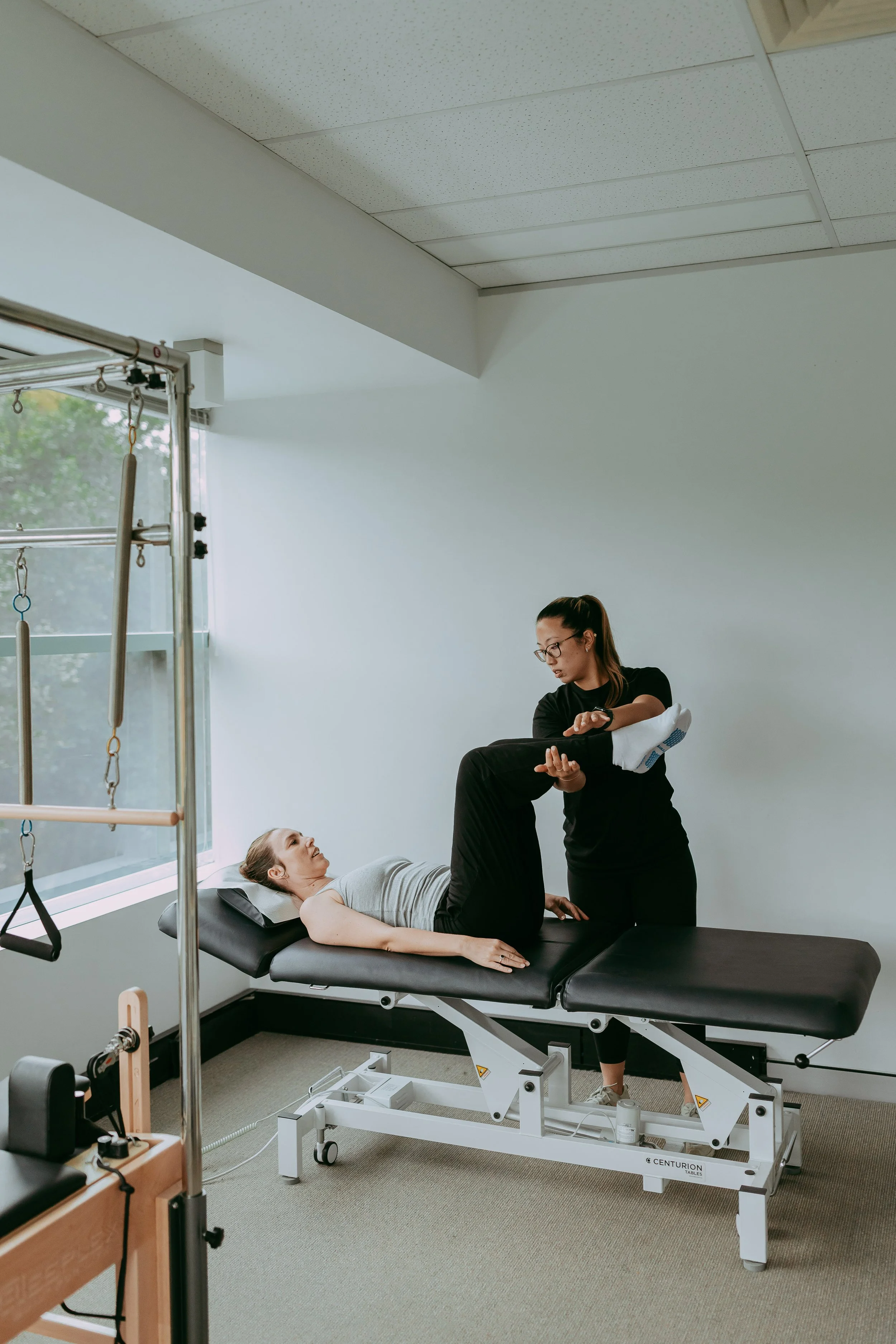
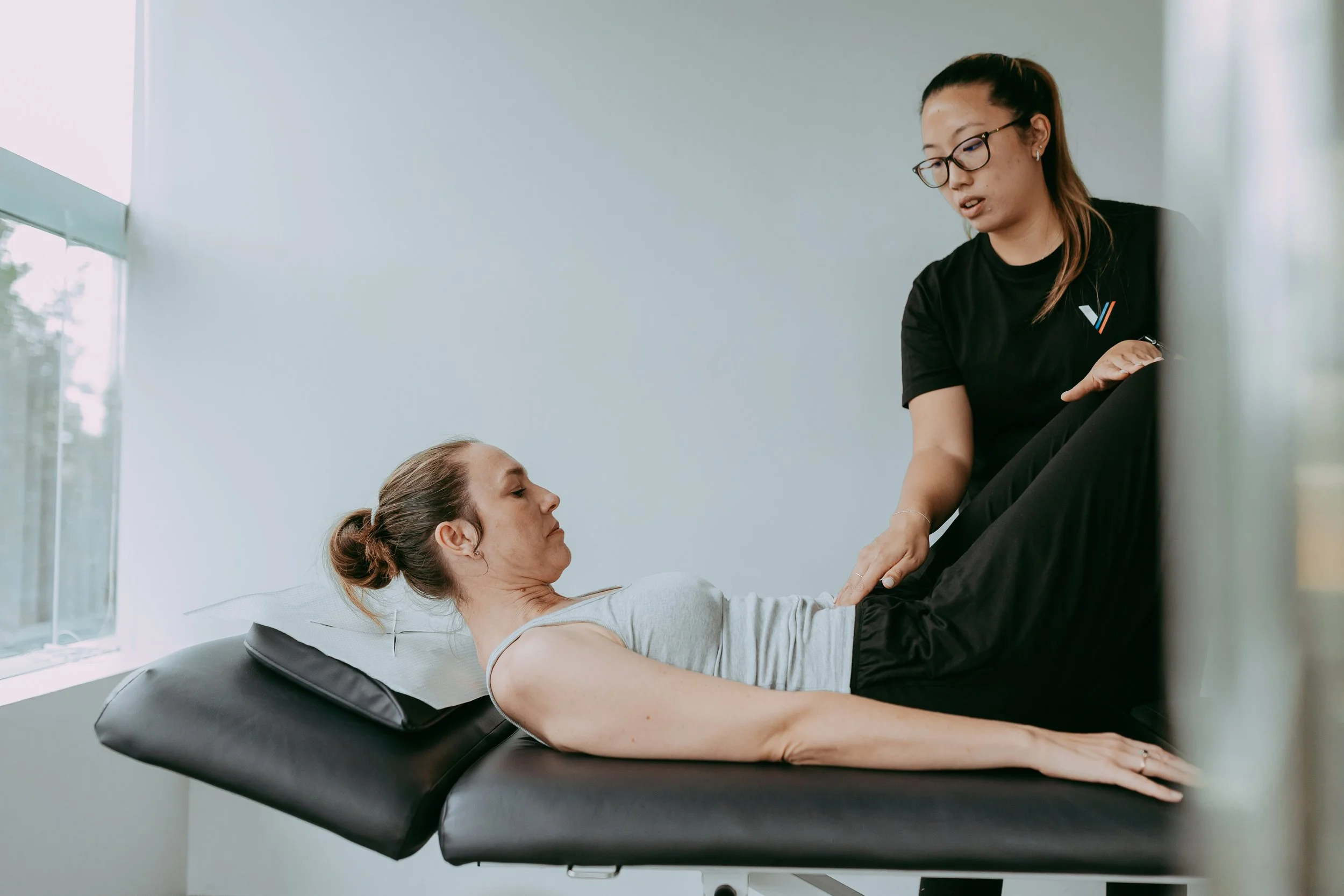
At Strive Sports and Health, our Women's Health physiotherapy supports you through pregnancy, recovery after birth, and the pelvic health concerns that can affect all stages of life.
We take the time to understand what you're experiencing and build care around you, in a comfortable, respectful space.
What is
Women's Health Physiotherapy
Care for the concerns that often go unspoken
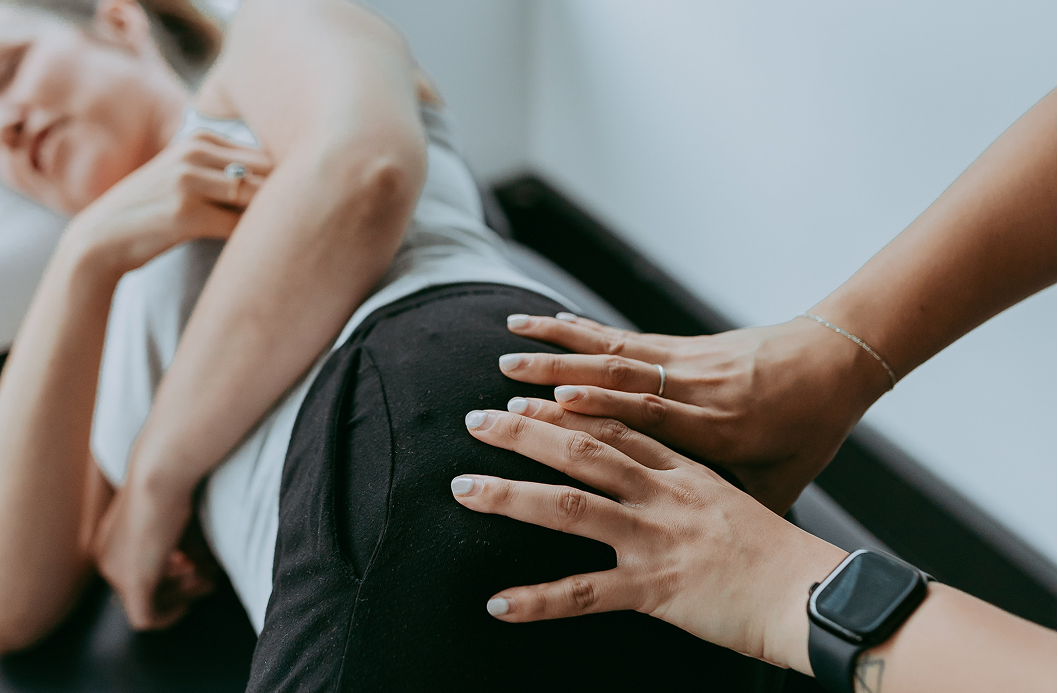
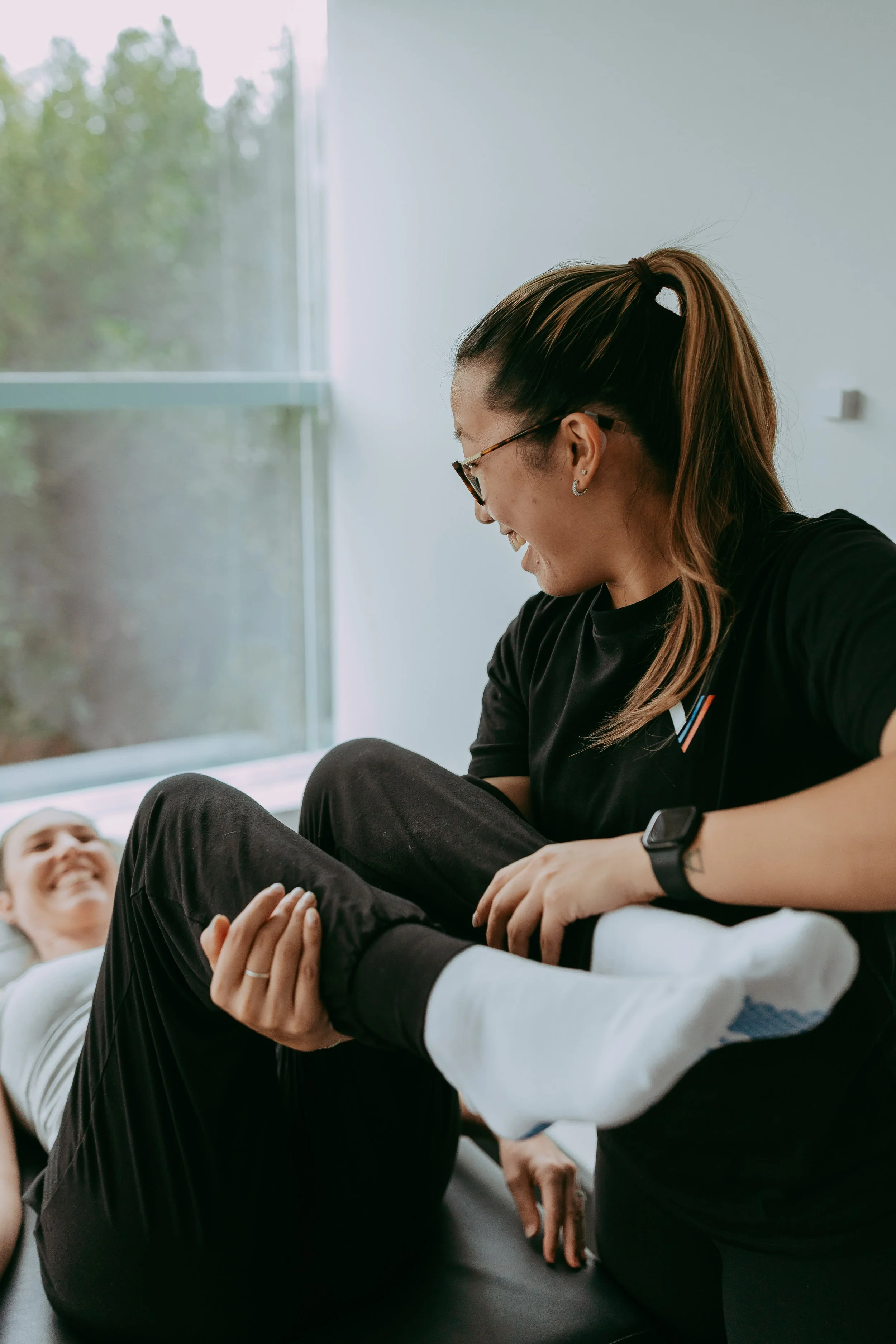
Women's Health Physiotherapy focuses on the pelvic floor, core, and the physical changes that come with pregnancy, birth, and life beyond.
It's about more than managing symptoms. We help you understand what's happening in your body and give you the support and strategies to feel confident and comfortable again.
Our Approach
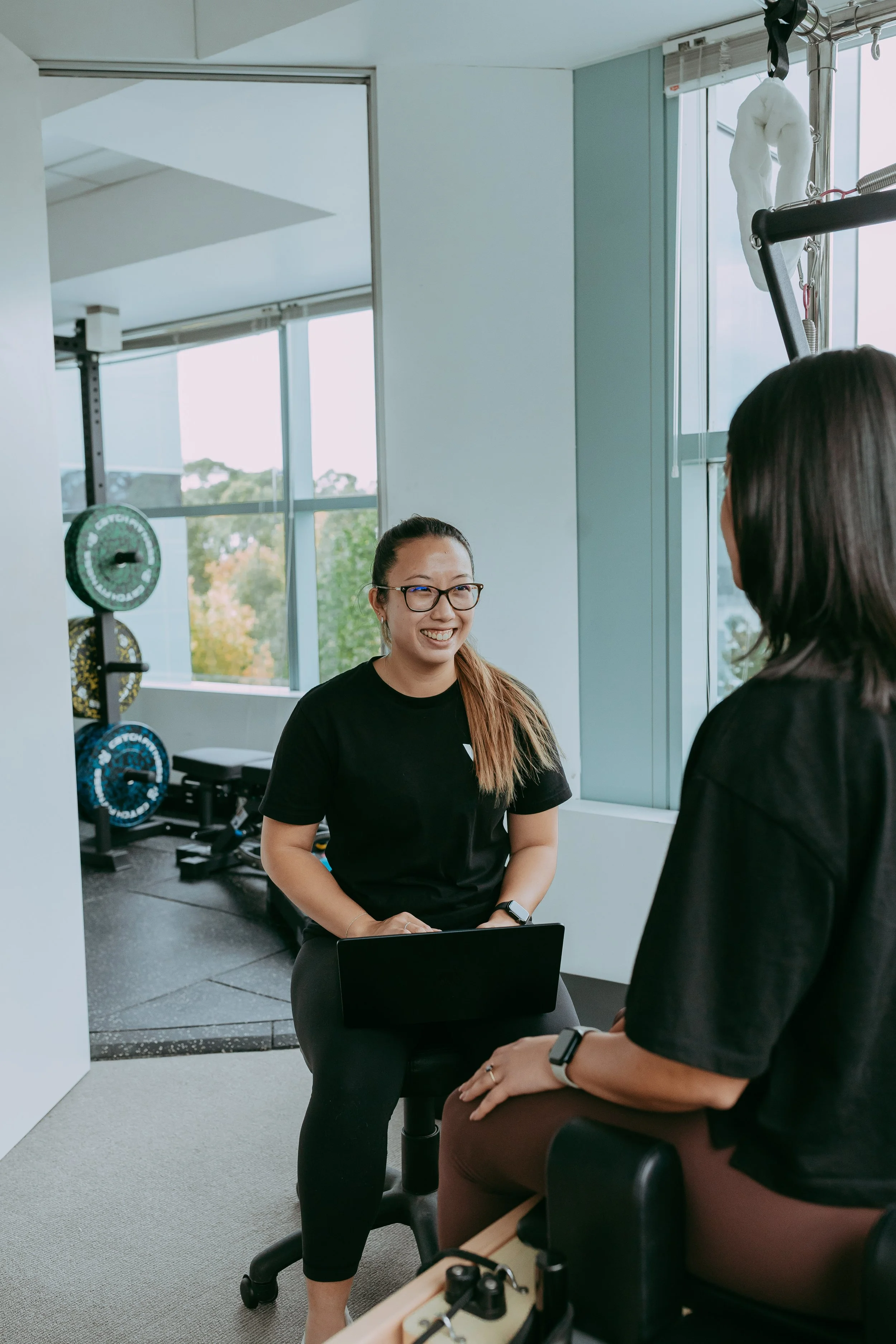
We combine a thorough understanding of your history with gentle, individualised care and clear guidance.
A conversation about your history and goals

Individualised treatment and guidance
A thorough, comfortable assessment
Ongoing support at your pace

Common Concerns We Support
Many of these concerns are common, and all of them are treatable. You don't need to manage them alone.
We most often see pregnancy care, postnatal recovery, lower back pain, hip pain and sciatica.
See the full list of conditions we treat.
Pregnancy-related pain
Pelvic floor and core dysfunction
Return to exercise after birth
Bladder and bowel concerns
Abdominal separation
Pelvic organ prolapse
Care For Women At
Every Stage
Personalised support through pregnancy, recovery, and the years beyond.
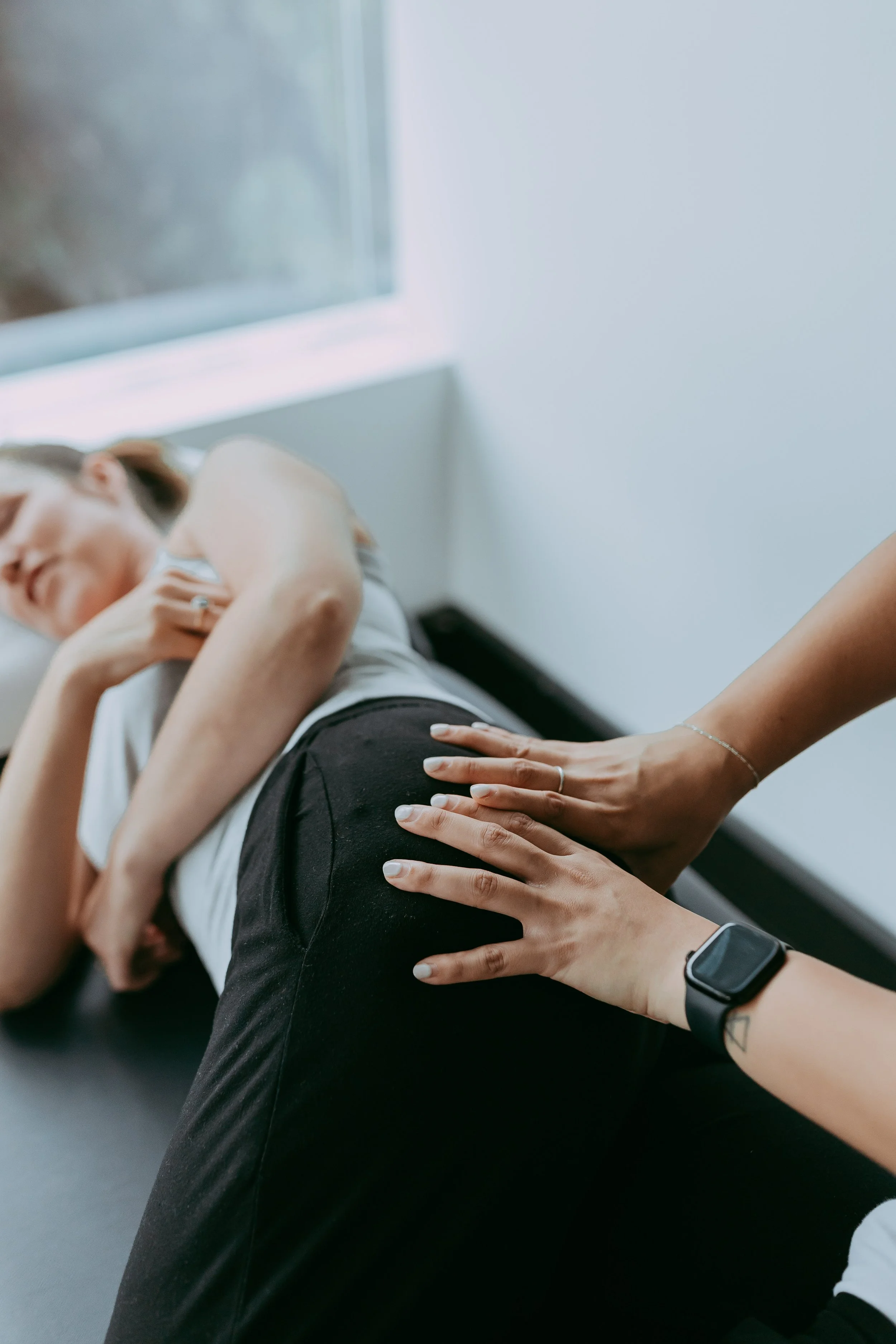
Women during pregnancy
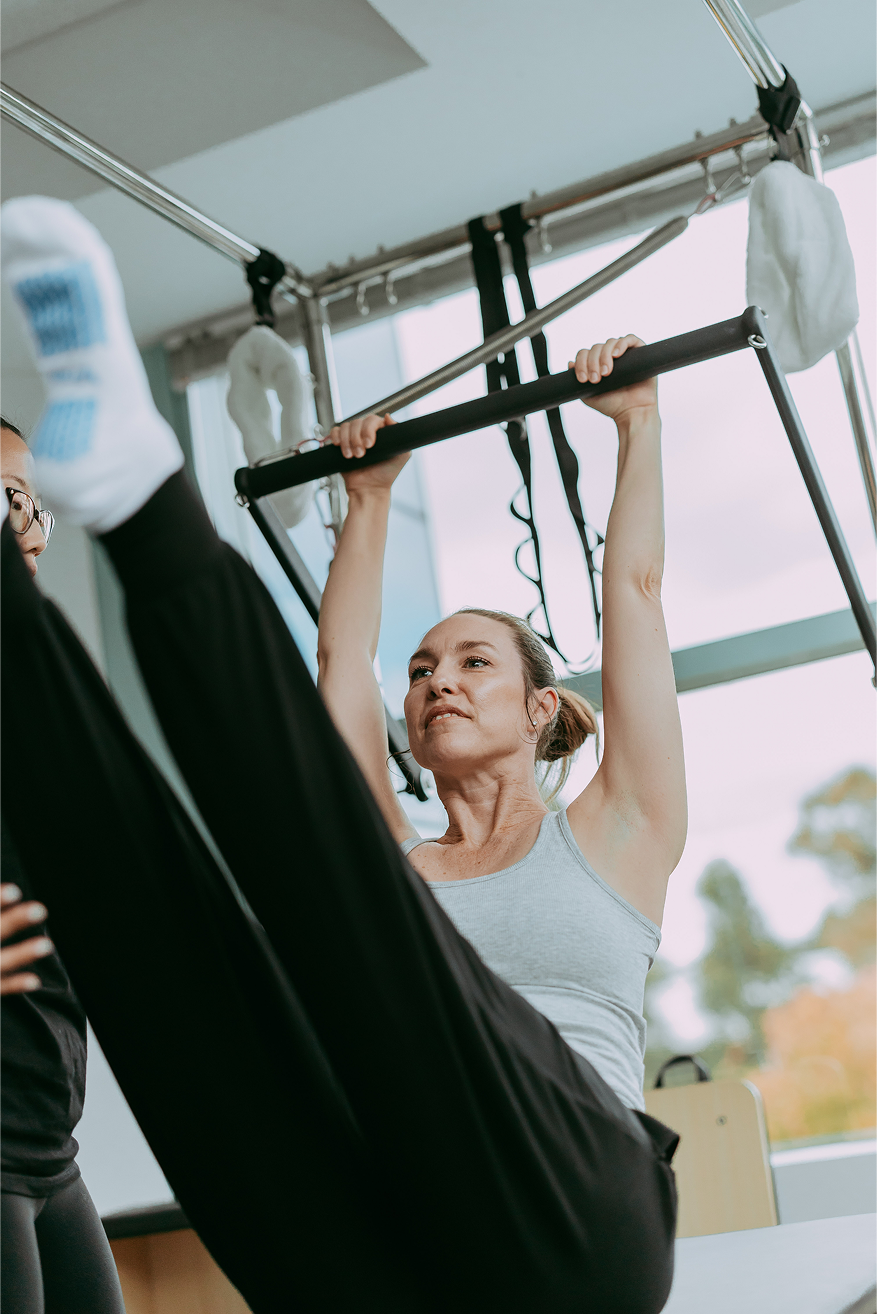
Women recovering after birth
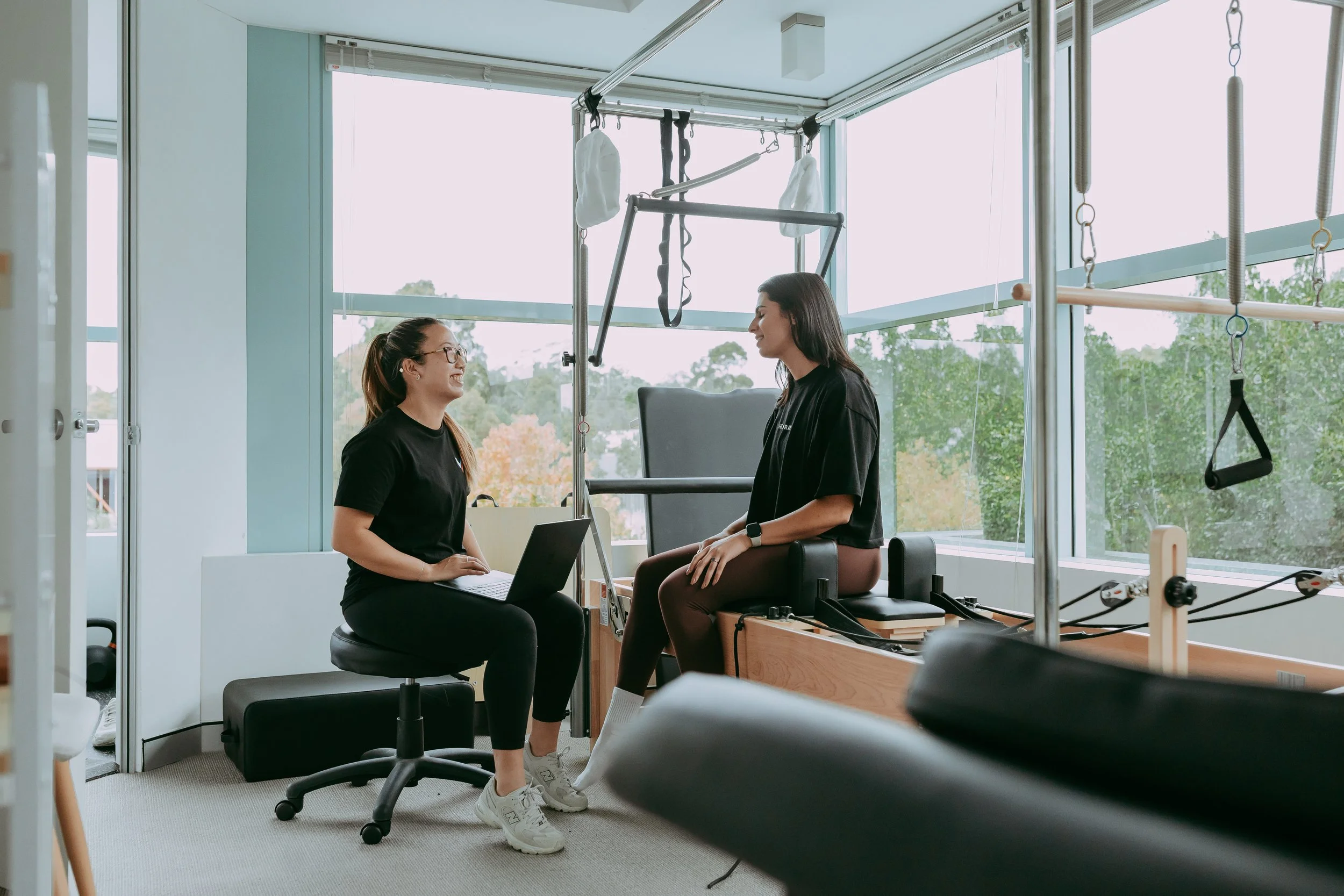
Women at any stage of life
Back to Doing What They Love

Ready To Feel Supported?
Book a first appointment and we'll take it from there, at your pace.
-
Not necessarily. Many pelvic health assessments can be done externally, and an internal examination is only ever recommended if it will meaningfully add to your care. If it is recommended, it will be explained in full: the reasoning, what it involves, and what we're looking for. You can always say no or ask to defer to a later session, and we'll continue with alternative assessments. Your comfort and consent come first, every session.
-
No. While a lot of what we do involves pregnancy and postnatal care, women's health physiotherapy is relevant at every stage of life. Younger women often come in for pelvic pain, painful periods, or bladder concerns. Others come in for menopause-related symptoms, prolapse, or preparing the body for surgery. If something isn't quite right, you don't need to have had a baby to seek help.
-
It's common, but it isn't something you have to live with. Leaking (also called stress urinary incontinence) affects a large number of women, especially after pregnancy, during high-impact exercise, or through menopause. Pelvic floor physiotherapy is one of the most effective approaches for it, and in many cases it can be significantly improved or resolved with the right assessment and program. If it's affecting how you move, exercise, or feel about your body, it's worth a conversation.
-
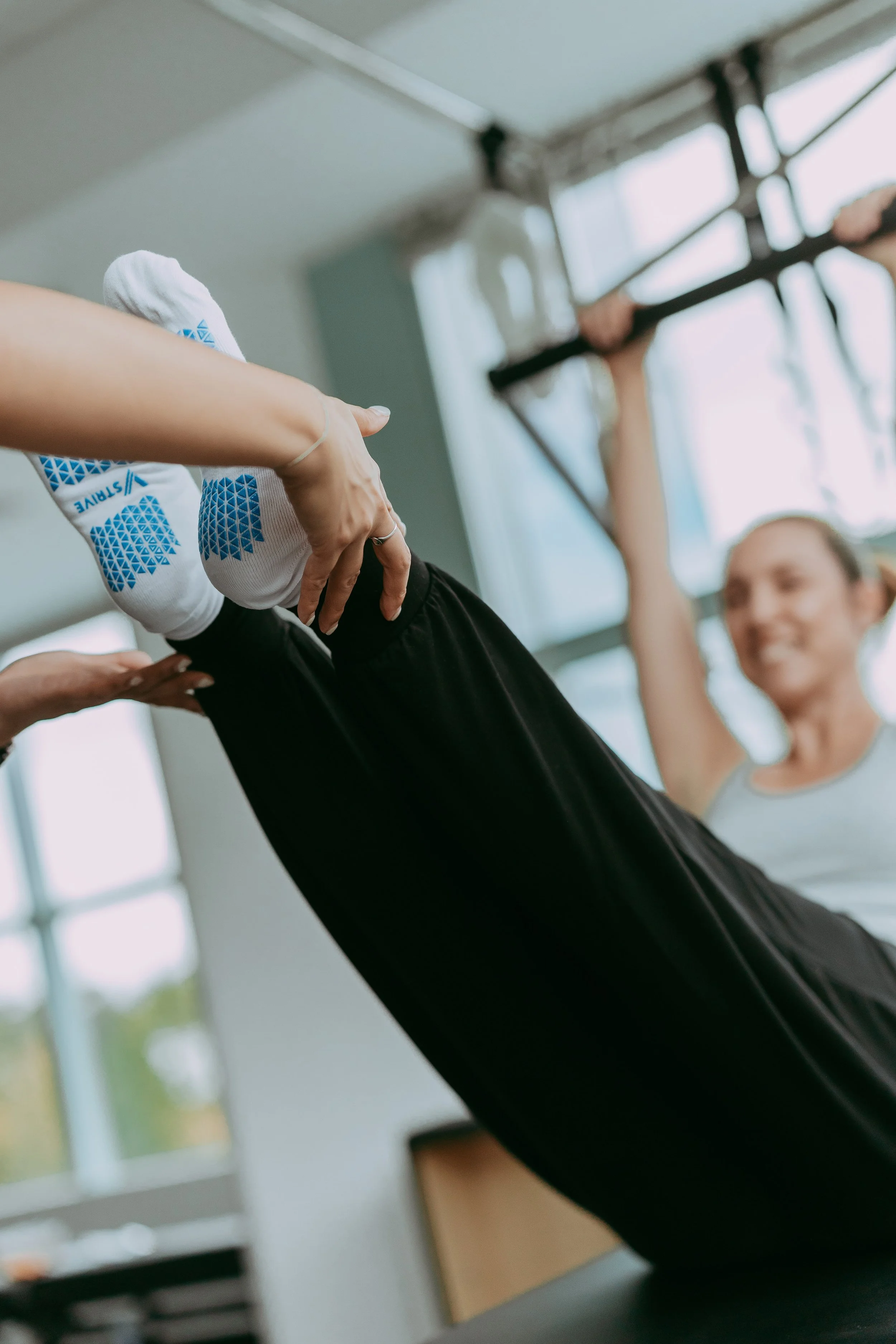
Yes, and this is a big part of what we do. Returning to running and lifting postnatally isn't just about time passing, it's about rebuilding pelvic floor strength, deep core control, and load tolerance in a way that matches the demands of your training. We'll assess where you are, work with you on a graded return, and coordinate with your rehab or strength work if needed. Whether you're returning to a park run or back to competitive lifting, we build the program around your goals.
-
A postnatal check with a women's health physiotherapist is worth booking around 6-10weeks postpartum, alongside your GP or obstetrician check. This gives us a chance to assess pelvic floor recovery, check for abdominal separation, look at scar tissue if you had a caesarean or tearing, and start you on a return-to-movement plan. If you're further out than 6-10 weeks, or even years out, it's still worth coming in. Postnatal recovery doesn't have a use-by date.
-
Women's health physiotherapy covers pelvic health concerns across all life stages. This includes bladder and bowel issues such as leaking or urgency, pelvic organ prolapse, pelvic pain, pain with intercourse, pregnancy-related back and pelvic pain, preparation for birth, postnatal recovery including abdominal separation (diastasis), scar management following caesarean or perineal tearing, and pelvic health changes through perimenopause and menopause.
-
There's no single right time, and it depends on how you're feeling. Many women come in during the second or third trimester for pelvic girdle pain, lower back pain, or preparation for birth (including pelvic floor down-training and perineal preparation). Others come in earlier if they've had a previous pregnancy where they experienced pelvic floor issues, prolapse, or significant tearing, so we can plan ahead. You're welcome at any stage.
-
Your first appointment runs around 45 to 60 minutes. We'll go through your history, what's brought you in, your goals, and any concerns you have about the assessment itself. Physical assessment is guided by what you're comfortable with and what will genuinely help us understand what's happening. You'll leave with a working plan, and we'll only progress at the pace that feels right for you.
-
No. Women's health physiotherapists are primary contact practitioners, so you can book directly without a GP referral
-
Most extras policies cover physiotherapy, including women's health physiotherapy, under the same physio benefit. The exact rebate depends on your fund and level of cover. We have HICAPS on site so you can claim on the spot and only pay the gap. Bring your health fund card to your first appointment.