
Postnatal Recovery and Return to Exercise in Norwest & Dural
The Short Version
The six week check is not a fitness assessment. It is a medical review of you and the baby, and passing it tells you nothing about whether your body is ready to run, lift or return to sport. Most women are handed a vague all clear at six weeks and then left to work the rest out alone.
Postnatal recovery is a strength project that runs for months. Done properly it is not slow and cautious. It is progressive, it is guided by symptoms rather than by dates, and it gets you back to full loading. The women who get stuck are almost always the ones who were told to avoid things rather than the ones who were told how to build back up.
The Recoveries We See Most
The woman four to five months after her first baby who wants to get back to running or the gym. She has a gap down the middle of her abdomen that has not closed, she leaks a little when she sneezes or skips, and she has been told to avoid crunches, avoid lifting and wait. She has done nothing for five months and she is weaker than the day she gave birth.
Do You Need a Scan?
Usually not. Abdominal separation, pelvic floor function and postnatal pelvic pain are all assessed clinically, in the room, and imaging rarely changes what we do.
The most important thing to understand about scans and measurements here is that the size of an abdominal gap does not predict pain, function or pelvic floor problems. Women with a wider gap do not report more back or pelvic pain than women without one. Chasing a millimetre measurement is the wrong target. What we care about is what the abdominal wall can do under load.
If there is a reason to image, usually a suspected hernia or something that does not fit the pattern, we will tell you exactly what we are looking for.
What to Tell Us When You Book
Most postnatal recovery is straightforward and we can get on with it. A few things need your GP, obstetrician or the hospital, and it is worth telling us at booking if any of these fit.
Go to your doctor or hospital today if you have heavy or fresh vaginal bleeding that has restarted, fever, foul smelling discharge, or a caesarean wound that is hot, red, opening or leaking.
Go today if you have calf pain, swelling or redness on one side, or chest pain and breathlessness. Clotting risk stays raised for weeks after birth.
Tell us if you have any bowel incontinence, or if you had a third or fourth degree tear. That changes the assessment and the pace, and it is worth being seen sooner rather than later.
Tell us if you feel a heaviness, dragging or bulge in the vagina, particularly at the end of the day. That is common, it is treatable, and it changes what we start with.
Tell us if you are not coping. Postnatal mental health sits directly on top of recovery and we would rather know and help you get the right support than pretend the two are separate.

What Actually Determines Your Recovery
Getting back to what you want to do is not about waiting long enough. These are the six things that decide how it goes.
Whether you actually loaded anything
Pelvic floor function
What the abdominal wall can do
Hip and leg strength
Sleep, energy and feeding
Whether anyone gave you criteria
How We Actually Treat It
The first appointment is an assessment rather than a treatment. We work out what the pelvic floor is doing, what the abdominal wall can tolerate, what the hips can produce, and what you are actually trying to get back to. That last one changes everything about the plan.
From there it is progressive loading, and it is real loading. Hips, trunk, calves and pelvic floor, built up over months, at a difficulty that challenges you. Hands on work has a place for the mid back, rib and pelvic pain that comes with feeding and carrying, and it makes the loading easier to do. It is not the treatment.
For return to running we use criteria rather than a date. Before impact we want a comfortable thirty minute walk, single leg balance, ten single leg squats, a minute of jogging on the spot, ten forward bounds, ten hops each side and a run through of the running action, all without pain, heaviness, dragging or leaking. Plus around twenty repetitions of single leg calf raises, bridges and sit to stands. If you cannot do those yet, that tells us exactly what to train.
For return to lifting there is no evidence that heavy lifting damages the pelvic floor long term, and no basis for the advice not to lift anything heavier than your baby. We progress load the way we would with any athlete and we adjust based on symptoms.
After a caesarean the difference is the wound rather than the pelvic floor. Pregnancy itself drives most pelvic floor change, and a caesarean does not protect you from it. What changes is that early loading is gated by how the incision feels. Scar work is low risk and worth doing, and we will be honest that the evidence for it is thin.
What Recovery Actually Looks Like
The below is a rough guideline. Results vary depending on your birth, your health, how you are sleeping and what you are aiming for.
Weeks zero to three. Rest and recover. Gentle movement, walking, and pelvic floor work if you have been shown how. Nothing is being tested here.
Weeks three to twelve. The rebuild starts. Progressive strength through hips, trunk and calves, and pelvic floor loading. Walking distance builds. This is the part that gets skipped and it is the part that decides the rest.
Months three to six. Impact and load. Running, jumping and heavier lifting introduced once you pass the tests rather than once the calendar says so. Three months is a reasonable earliest target for most women rather than a rule, and plenty of people are ready later than that without anything being wrong.
Months six to twelve. Back to full sport and full lifting. Strength keeps improving well past the point where symptoms stop, and stopping at the point symptoms stop is the most common reason things come back with the next baby.
On leaking. It often settles, then comes back around the twelve month mark as women return to more demanding activity. That is a known pattern and it is not a relapse or a failure. It means the demand went up faster than the capacity did.
What Else It Could Be
Postnatal problems tend to be one of a handful of things. If what you have does not fit what is above, one of these is more likely.
Pelvic floor dysfunction. Leaking with cough, sneeze, jump or run. Around one in four women at six weeks and closer to one in three at a year. Treatable, and the treatment is training rather than avoidance.
Pelvic organ prolapse. Heaviness, dragging or a bulge, usually worse at the end of the day. Roughly one in five women report the sensation. Symptoms matter far more than what a grading says, and there is no good evidence that exercise or lifting causes it.
Abdominal separation. A gap or doming down the midline. Common, usually improves over the first six months, and often still present at a year without causing problems.
Persistent pelvic girdle or low back pain. If it has not settled by about six weeks after the birth, it needs treating rather than waiting out. Pain that has already lasted a month is the strongest single predictor of pain that lasts years.
Caesarean scar pain. Around one in ten to one in five women still have some incision pain at three to six months. Worth treating.
Wrist and thumb pain. Very common with feeding and lifting a baby, and it responds well to load management and a period of support. It is a tendon problem rather than a joint one.
Mastitis. Hot, painful, red breast with fever. The current advice has changed and it matters: ice rather than heat, feed normally rather than trying to empty the breast, and no deep massage, because that makes it worse. See your GP if it is not turning around.
Related pages: Pregnancy Care, Lower Back Pain, Hip Pain.
Frequently Asked Questions
When can I start exercising again after birth? Gentle movement and walking start almost straight away. Structured strength work usually starts around three weeks. Impact, running and heavier lifting come later and are decided by what you can do rather than by a date. The six week check does not clear you for any of this, because it was never designed to.
When can I run again? Three months is a reasonable earliest target for most women, and it is a guideline rather than a rule. What actually decides it is whether you can walk thirty minutes comfortably, hop and bound on each leg, and do around twenty single leg calf raises, bridges and sit to stands, all without pain, heaviness or leaking. If you cannot yet, that is the training plan.
Am I allowed to do sit ups with an abdominal separation? Yes. Curl ups and head lifts have been tested directly and they do not widen the separation. They improve abdominal strength and thickness. The advice to never do them again has no evidence behind it.
Will my abdominal separation close? It usually narrows a lot in the first six months and then plateaus. About a third of women still have a measurable gap at a year, and most of them have no pain or dysfunction from it. Width is a poor guide to how you are actually doing, so we do not treat it as the target.
Is it normal to leak when I sneeze or run? It is common, which is not the same thing as something you have to live with. Around one in four women leak at six weeks and closer to one in three at a year. It responds to properly taught and progressively loaded pelvic floor work. Doing kegels from a leaflet is usually not enough.
Is it different after a caesarean? The wound changes the early stage and how quickly you can load through the abdomen. It does not protect your pelvic floor, because most of that change comes from the pregnancy rather than the birth. So the pelvic floor work is the same, and the abdominal work starts a bit more gradually.
Who Treats This at Strive
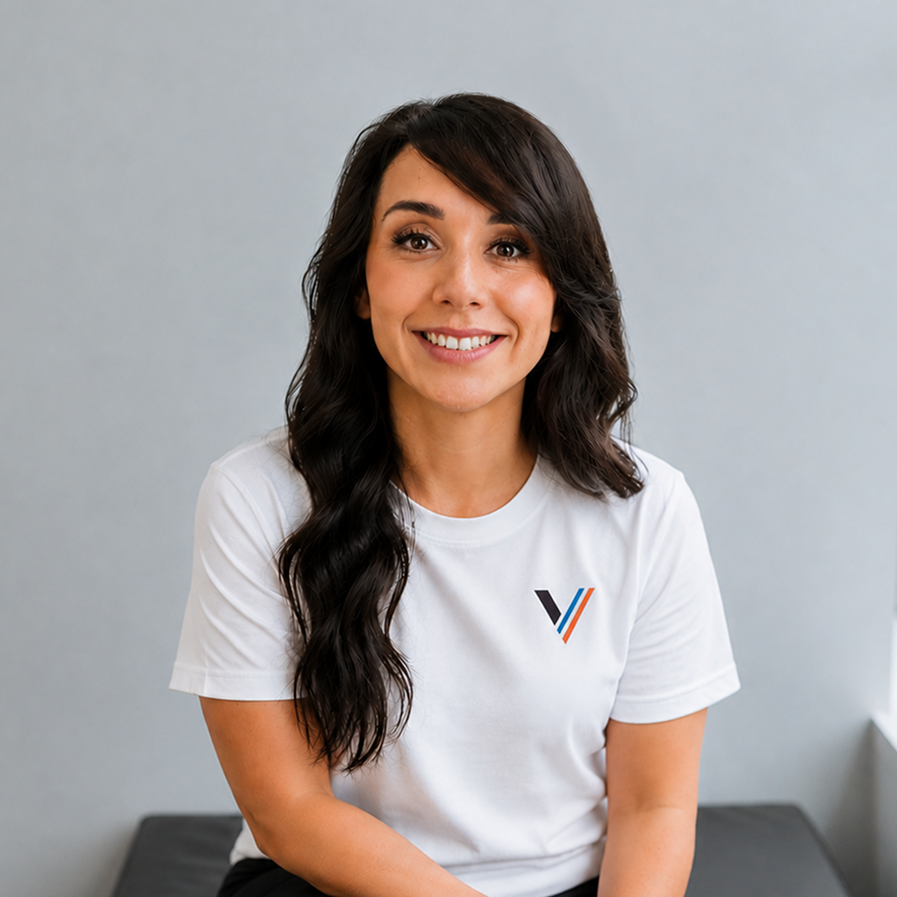
Postnatal care at Strive is led by Tammy Ong, our Women's Health Physiotherapist and Rehabilitation Pilates instructor. Pelvic floor assessment and pelvic health concerns are seen by Tammy. Return to running and return to lifting programs are built with our physiotherapists, chiropractors and strength coaches alongside her, and we will move you internally if someone on the team is a better fit.

Tammy Ong
Women’s Health Physiotherapist
Rehabilitation Pilates Instructor
Tammy helps women and active individuals recover from injury, improve movement, and return to the activities they love.

Warren Zhou
Chiropractor, competitive powerlifter, and trail runner who treats athletes from the gym floor to the platform to the start line.
Tegan Webster
Chiropractor
Providing evidence-based care to help patients achieve their health goals.

Richard Kan
Sports Chiropractor
Strength and Conditioning Coach
Helping athletes and active individuals recover, perform, and stay injury-free.

Rawan Haydar
Physiotherapist
Passionate about personalised care that supports recovery and long-term wellbeing.
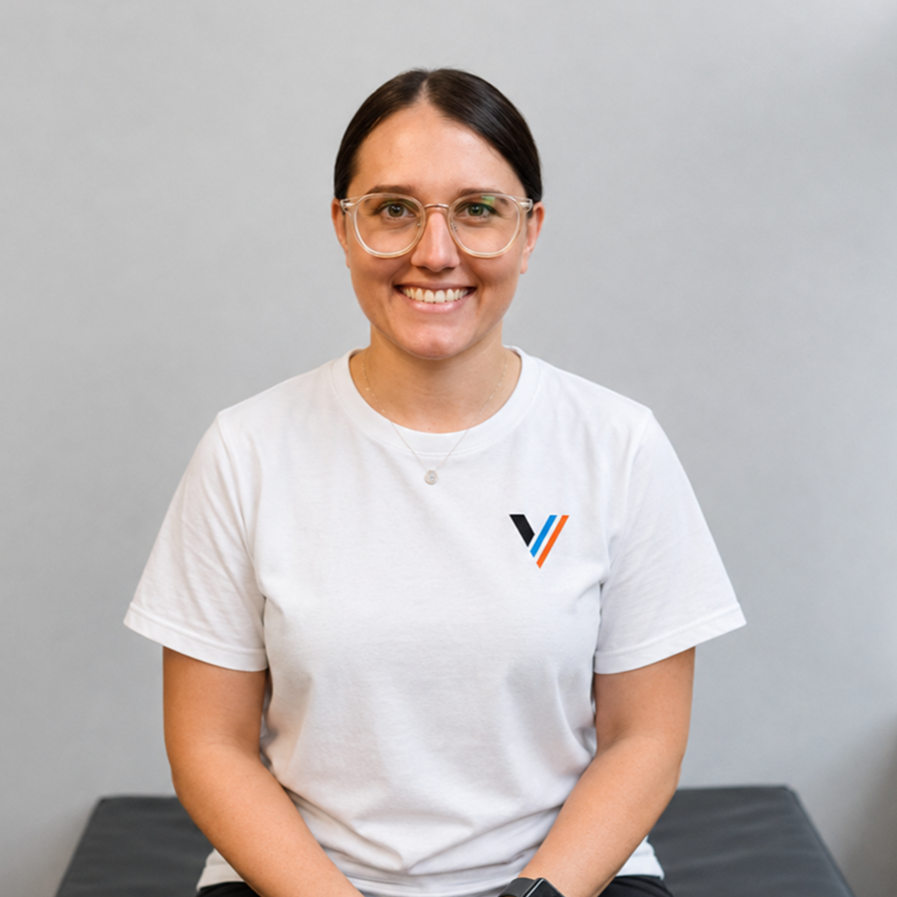
Jess Larder
Physiotherapist
Passionate about rehabilitation, movement, and helping people achieve their goals.
Getting Here
We see postnatal patients at both our Norwest and Dural clinics.
Norwest
301/10 Century Circuit NORWEST NSW 2153
Inside Norwest Central Building Complex - 8 - 12 Century Circuit
Entry doors next to Zaatar and Zucchero Cafe
Operating Hours
Mon - Fri 8am - 6pm
Sat 8am - 12pm
Sun CLOSED

Ready to Get Back to It?
We see postnatal patients from across The Hills, including Dural, Round Corner, Kenthurst, Glenhaven, Castle Hill, Kellyville, Baulkham Hills, Cherrybrook and Bella Vista, at our Norwest and Dural clinics, and in Canberra at Giralang. You do not need a referral.