
Pregnancy Physio and Chiro in Norwest & Dural
The Short Version
About one in two women get back or pelvic girdle pain during pregnancy, and it is the single most common reason women stop exercising while pregnant. That is the wrong response in almost every case. The women who keep training through pregnancy, with the right modifications, have less pain, fewer complications and an easier recovery afterwards.
The thing most people are not told is that pregnancy pain does not reliably disappear when the baby arrives. A meaningful minority still have it a year later, and a smaller group still have it a decade later. What separates those groups is not luck. It is whether the problem was actually treated at the time.
The Pregnancies We See Most
The woman in her second or third trimester with pain at the back of the pelvis, low and to one side, that is worse rolling over in bed, worse on stairs, and worse standing on one leg to get dressed. She has been told it is her pelvis being unstable and that nothing can be done until after the birth. Both of those things are wrong.
Do You Need a Scan?
Almost never, and in most cases we would not order one anyway. Pelvic girdle pain and pregnancy related back pain are diagnosed from your history and a physical examination, and imaging does not change the plan.
There is one number worth knowing. The pubic joint at the front of the pelvis normally widens by two to three millimetres during pregnancy. That is expected and it happens to everybody. It only counts as a genuine separation past about ten millimetres, which is uncommon.
If we do want imaging for something specific, ultrasound is the tool, and we will explain exactly what question we are trying to answer before you have it.
What to Tell Us When You Book
Most pregnancy aches are mechanical and we can help with them. A few things need your midwife, obstetrician or the hospital rather than us, and it is worth telling us at the time of booking if any of these fit.
Go to hospital today, not to us, if you have vaginal bleeding, if fluid is leaking, if you are having regular painful contractions before you are due, or if you notice a drop in the baby's movements.
Go to hospital today if you have calf pain, swelling or redness on one side. Pregnancy raises clotting risk and that combination needs ruling out the same day.
Tell us if you have been diagnosed with pre-eclampsia, high blood pressure in this pregnancy, placenta praevia, a short or incompetent cervix, or if you are carrying twins or more. None of these stop you being treated, but they change what we do and how hard we push.
Tell us if you get chest pain, breathlessness at rest rather than on exertion, headaches that will not settle, or dizziness and fainting. Those get checked before we do anything else.
Tell us if you have sudden severe pain at the front of the pelvis and you cannot weight bear. That is uncommon and it changes the first appointment.

What Actually Determines How Your Pregnancy Feels
Pregnancy pain is not random and it is not simply the weight of the baby. These are the six things that decide how much trouble you have and how quickly it settles.
How much you were doing beforehand
Whether you kept moving
Hip and trunk strength
Your pelvic floor
Sleep, work and time on your feet
What you have been told
How We Actually Treat It
Two things run in parallel, and the balance between them shifts as you go.
Hands on work is genuinely useful in pregnancy, particularly for pelvic girdle pain and mid back and rib pain in the third trimester. It buys you a window where things move more freely and hurt less. It is safe, we position you side lying rather than face down after the first trimester, and we are conservative about the neck. What it does not do is last on its own.
The part that lasts is loading. Progressive strength work through the hips, trunk and legs, adjusted as the pregnancy goes on, at a difficulty that actually challenges you. The current guidance is a hundred and fifty to three hundred minutes of moderate activity a week, plus resistance training twice a week. Most women we see are doing far less than that and have been told it is dangerous. It is not.
A pelvic support belt is worth trying for pelvic girdle pain. It is cheap, it is low risk, and it helps a reasonable number of women meaningfully within a few weeks. It works alongside the strength work rather than instead of it.
Pelvic floor training is taught properly, with a physical assessment rather than a printout, because doing it wrong is common and doing it wrong does not work.
On what we do not do: we do not tell you your pelvis is out. We do not use the word unstable. And we do not stop you training because you are pregnant.
What Recovery Actually Looks Like
The below is a rough guideline. How it goes depends on how you started, how far along you are, and what else is going on.
First two to three weeks. Settling the irritation down and getting you moving with less pain. Most women notice a change in this window, particularly at night and rolling over in bed.
Weeks three to twelve. The actual work. Progressive strength, two or three times a week, adjusted as your shape changes. This is where the tolerance gets built and it is where most of the change happens.
The rest of the pregnancy. Maintenance and adjustment. The program keeps changing because you keep changing. Expect the last six weeks to be harder than the six before them, and expect that to be normal rather than a sign of failure.
Straight after the birth. Most pregnancy related pelvic pain improves quickly once the load comes off. If yours has not settled within about six weeks of the birth, that is worth acting on rather than waiting out. Pain that lasts past the first month is the strongest predictor of pain that lasts years.
What Else It Could Be
Pain in pregnancy is usually mechanical and usually one of a small number of things. If yours does not fit the pattern above, one of these is more likely.
Pelvic girdle pain. Low and to one side at the back, or at the front over the pubic joint. Worse on single leg tasks, stairs and rolling in bed. This is the most common presentation we see.
Pregnancy related low back pain. Higher up, more like ordinary back pain, worse with sustained sitting and standing. Responds well to loading.
Carpal tunnel syndrome. Numbness, pins and needles or night pain in the thumb, index and middle fingers, usually in the third trimester. Common, and worth treating rather than waiting out, because it does not always resolve after the birth.
Round ligament pain. Sharp, brief, one sided pain low in the abdomen with sudden movement or coughing. Uncomfortable and benign.
Rib and upper back pain. Common late in pregnancy as the ribcage flares and the diaphragm gets pushed up. Responds well to hands on work and breathing work.
Something obstetric rather than musculoskeletal. Anything that comes with bleeding, fluid loss, regular contractions, fever or reduced fetal movement goes to your midwife or the hospital rather than to us.
Related pages: Postnatal Recovery, Lower Back Pain, Hip Pain.
Frequently Asked Questions
Is it safe to exercise while pregnant? For the great majority of women, yes, and it is one of the better things you can do. Current guidance is a hundred and fifty to three hundred minutes of moderate activity a week plus resistance training twice a week. Exercise in pregnancy lowers the odds of gestational diabetes and high blood pressure and does not raise the risk of preterm birth. There is a short list of conditions where it changes, which is why we ask about them at booking.
Do I have to keep my heart rate under 140? No. That rule was dropped from the guidelines a long time ago and it never had good evidence behind it. Use the talk test instead. If you can hold a conversation, you are working at a sensible intensity.
I have never really exercised. Is pregnancy the wrong time to start? No, and this is one of the most common things women are told that is not true. Every current guideline says previously inactive women should start. Fifteen to twenty minutes, three or four days a week, and build from there.
Is it safe to be adjusted while pregnant? Serious problems are very rare and the reports that exist almost all involve the neck rather than the lower back. We screen for the things that would make manual work a bad idea, we are conservative with the neck, and we position you side lying rather than face down after the first trimester. There are also plenty of ways to treat a pregnant back and pelvis that do not involve adjusting anything, and we use those routinely.
Is my pelvis unstable? Almost certainly not. The pubic joint widens by a couple of millimetres in every pregnancy and that is normal. Genuine separation is uncommon. The instability language is unhelpful, it makes women move less, and moving less is what makes pelvic girdle pain worse.
Will this go away after the baby comes? Usually a lot of it does. But about one in four women still have pain in the months after birth and a smaller group still have it years later. If it has not settled six weeks after the birth, it is worth doing something about rather than waiting.
Who Treats This at Strive
Pregnancy care at Strive is led by Tammy Ong, our Women's Health Physiotherapist and Rehabilitation Pilates instructor. Pelvic floor assessment and pelvic health concerns are seen by Tammy. General pregnancy related back, pelvis and rib pain is treated by our physiotherapists and chiropractors as well, and we will move you internally if someone on the team is a better fit.

Tammy Ong
Women’s Health Physiotherapist
Rehabilitation Pilates Instructor
Tammy helps women and active individuals recover from injury, improve movement, and return to the activities they love.

Warren Zhou
Chiropractor, competitive powerlifter, and trail runner who treats athletes from the gym floor to the platform to the start line.
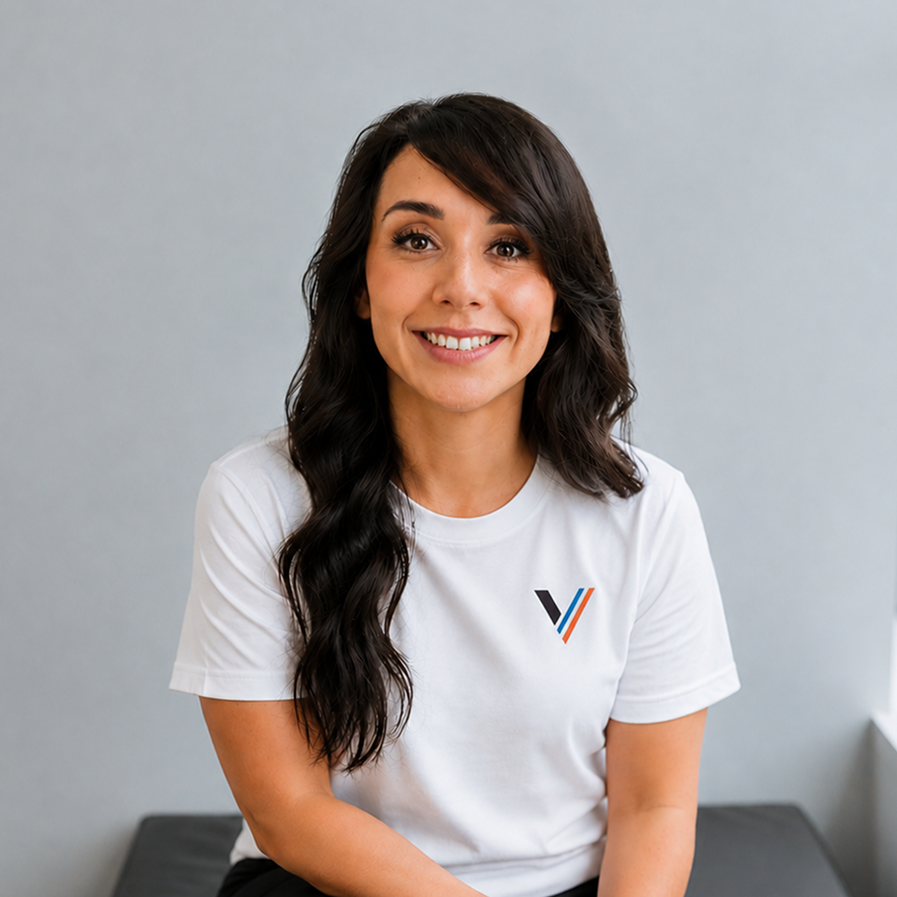
Tegan Webster
Chiropractor
Providing evidence-based care to help patients achieve their health goals.

Richard Kan
Sports Chiropractor
Strength and Conditioning Coach
Helping athletes and active individuals recover, perform, and stay injury-free.

Rawan Haydar
Physiotherapist
Passionate about personalised care that supports recovery and long-term wellbeing.
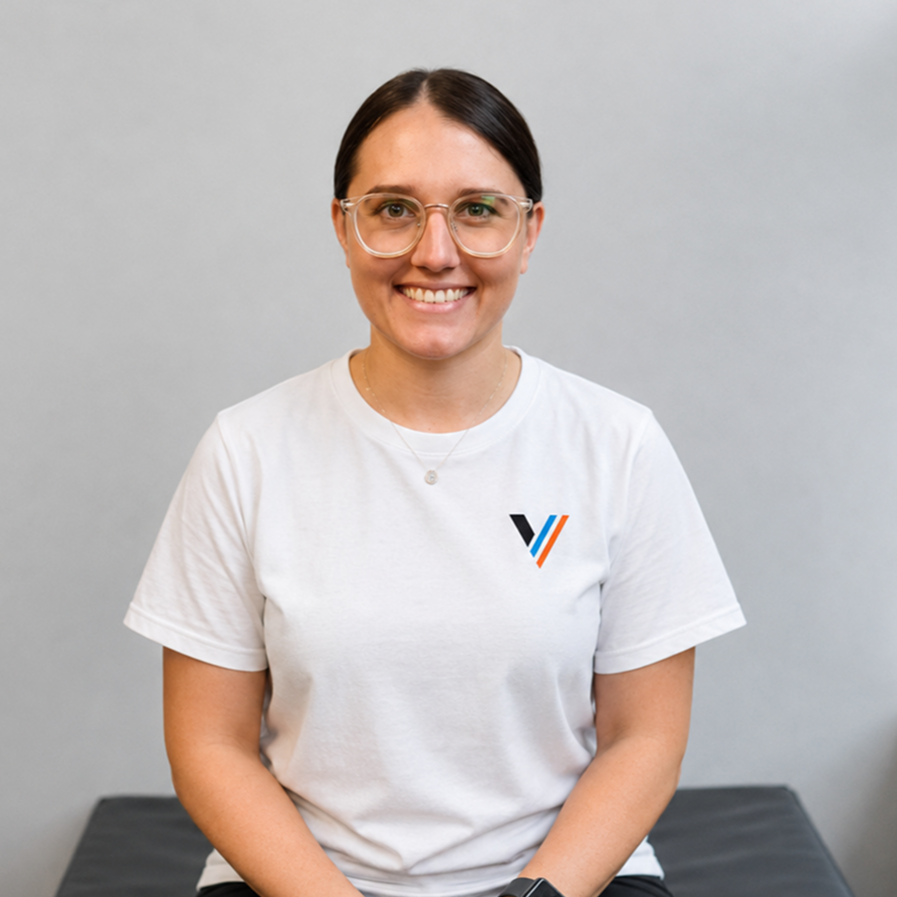
Jess Larder
Physiotherapist
Passionate about rehabilitation, movement, and helping people achieve their goals.
Getting Here
We see pregnant and postnatal patients at both our Norwest and Dural clinics.
Norwest
301/10 Century Circuit NORWEST NSW 2153
Inside Norwest Central Building Complex - 8 - 12 Century Circuit
Entry doors next to Zaatar and Zucchero Cafe
Operating Hours
Mon - Fri 8am - 6pm
Sat 8am - 12pm
Sun CLOSED

Ready to Feel Better Through This Pregnancy?
We see pregnant patients from across The Hills, including Dural, Round Corner, Kenthurst, Glenhaven, Castle Hill, Kellyville, Baulkham Hills, Cherrybrook and Bella Vista, at our Norwest and Dural clinics, and in Canberra at Giralang. You do not need a referral.