
Lower Back Pain Treatment in Norwest & Dural
The Short Version
Most lower back pain is not caused by damage, and most of it settles. What decides how quickly is how much you keep moving and how soon you rebuild capacity, not what a scan shows. Rest beyond the first day or two makes things slower, not faster. The episode usually eases in weeks. The rebuild that stops it coming back takes longer, and stopping when the pain stops is the most common reason people end up back here. Get assessed urgently if you have numbness around the groin or saddle area, leg weakness that is getting worse, or any change to bladder or bowel control.
The Back Pain We See Most
Three versions of this walk in most weeks.
Someone who trained Monday, felt a twinge they decided to ignore, trained again Wednesday, and by Friday can't get off the couch without bracing against something.
Someone who's sat at the same desk for eight years without a problem, then bent down to pick up a washing basket and couldn't straighten back up.
And someone in their fifties whose back has grumbled for a decade, who's quietly stopped doing things because of it and stopped mentioning it, because it feels like just how they are now.
All three usually turn up convinced they've done serious damage. Most of the time they haven't. And in all three, the reason it happened is almost never the moment it happened in. That's the bit worth understanding, because it's also the bit that stops it happening again.
Do You Need a Scan?
Usually not in the first six weeks, and imaging often makes the decision harder rather than easier. Disc degeneration, disc bulges and other changes show up routinely on the scans of people with no pain at all, and they get more common with every decade. A scan will almost always find something. Whether that something explains your pain is a clinical question, not a radiology one. We'd send you for imaging if you've got any of the red flag signs, weakness or numbness that's getting worse rather than better, a history of significant trauma, cancer or long term steroid use, if you've had a proper go at treatment and aren't responding the way we'd expect, or if surgery is genuinely on the table.
Whether you need a scan is something we work out with you at the appointment, based on your history and what we find when we examine you. Not on a rule, and not on how long it's hurt. Your practitioner will talk you through whether imaging would change anything, and organise it if it would.
When You Should Be Seen Urgently
A small number of back presentations need looking at quickly, and one needs the emergency department rather than us. If any of these fit, tell us when you book.
Go to emergency today, not to us, if you've got numbness or a strange sensation around the groin, genitals, buttocks or inner thighs. If you're having trouble starting or stopping urination, or you've lost control of your bladder or bowels. Or if you've got weakness in both legs, or one leg that's getting worse by the hour rather than the day.
That combination can mean cauda equina syndrome. It's rare, but it's a surgical emergency and how fast you're treated changes the outcome. If you're not sure, get checked.
Book in with us soon, and tell us when you book, if your back pain came on after a significant fall or crash. If it comes with fever, night sweats, or weight you haven't tried to lose. If you've had cancer. If the pain is constant, doesn't change with position and wakes you every night. If you're on long term steroids, have osteoporosis, or you're over 65 and had a recent minor injury. Or if pain and weakness are steadily getting worse despite proper treatment.
If none of that sounds like your back, you're in the right place, and the rest of this page is what we'd do about it.

What’s Driving Your Back Pain
Back pain is rarely caused by the rep you felt it on. These are the six patterns behind almost every case we see.
A jump in training load, not one bad rep
Recovery that has not kept up
Technique breaking down under fatigue
Eight hours seated, then maximum effort
Fear of moving after the first episode
Strength work that stopped when the pain did
How We Actually Treat It
Two things reduce your pain, and they are not the same two things that stop it coming back. We do both, in that order.
First, get you moving again. Early on the job is to reduce the pain enough that you can move normally, because normal movement is itself the treatment. Hands on work, dry needling and joint mobilisation are useful here, and we use them. What they are is a way to get you moving sooner. They are not the thing that fixes the problem, and any clinic telling you that you need them twice a week indefinitely is selling you attendance rather than progress.
Then, rebuild what failed. This is the part that most people never get to, because they stop when the pain stops. Your back did not hurt because of the rep you felt it on. It hurt because the demand that day exceeded what your back could tolerate, and closing that gap takes loading rather than pain relief. That means progressive strength work through the hips, trunk and back, built up over months, at a difficulty that actually challenges you.
That second part is the one that changes whether you are back here next year. Exercise roughly halves the chance of another episode. Being told about your back does not change it. Loading it does.
What Recovery Actually Looks Like
Timeframes are the question everyone asks and almost nobody answers honestly, so here is the shape of it.
Week one. The goal is not to be pain free. It is to keep moving, stay at work if you can, and avoid the bed rest reflex. Most people are meaningfully better inside this week than they expect to be.
Weeks two to six. Pain settles substantially for most people. This is the window where the majority of improvement happens, and it is also the window where people stop, because they feel fine. Stopping here is why the pain comes back.
Weeks six to twelve and beyond. This is the rebuild. Strength work, progressed properly, at a load that is genuinely hard. This is the part that changes whether you are back here in twelve months.
Two honest caveats. Recovery is rarely a straight line, and a flare during the rebuild is normal rather than a sign it is not working. And a minority of people have pain that persists longer than this. That is real, it is not imagined, and it is treatable, but it needs a different conversation than the one on this page.
What Else It Could Be
Lower back pain describes where it hurts rather than what is wrong. Part of the first appointment is working out which of these you actually have, because they do not respond to the same plan.
Nerve root pain, or sciatica. Pain travelling below the knee, often with pins and needles or numbness in a defined strip. It behaves differently, takes longer, and has a different plan.
Referred hip or gluteal pain. Deep buttock or groin pain that people describe as back pain. Worth separating early, because loading the back will not fix it.
Sacroiliac joint pain. Focused to one side, low and slightly off centre, often provoked by standing on one leg or rolling over in bed.
Bone stress injury. Uncommon, but worth ruling out in younger athletes with a recent large jump in training, especially in sports involving repeated extension.
Inflammatory back pain. Morning stiffness lasting more than thirty minutes, pain that improves with movement and worsens with rest, and onset before forty. This pattern is the opposite of mechanical back pain and warrants a different workup.
If what you have does not fit the usual pattern, saying so at the first appointment is more useful than any scan.
Related pages: Sciatica, Hip Pain, Hamstring Strain.
Frequently Asked Questions
How long will my back pain take to get better? Most episodes ease substantially within two to six weeks. That is the pain settling, not the problem being solved. The strength work that stops it returning takes closer to three months, and stopping at the point the pain goes is the single most common reason people are back here within a year.
Will it come back? Recurrence is common, which is the uncomfortable part of the honest answer. What changes your odds is what you do after the pain stops. Exercise has been shown to cut the risk of another episode by roughly a third to a half. That is the most reliable thing anyone has found for stopping it coming back, and it is why the rebuild matters more than the treatment does.
Should I stop training or lifting? Almost never entirely. Stopping completely is what makes the six week version turn into the six month version. What usually needs to change is the load, the range, or the specific movement that provokes it, not the training itself. We would rather modify your program than cancel it, and that is a conversation worth having in the first appointment rather than guessing at the gym.
Is it a slipped disc? Discs do not slip. They can bulge or herniate, and they can be a genuine source of pain, particularly when there is leg pain below the knee. But disc bulges are found in about a third of pain free 20 year olds and most pain free 80 year olds, so having one on a scan does not establish that it is your problem. Whether a disc finding matters is a clinical question, answered by what your symptoms are doing, not by the report.
Should I rest or keep moving? Keep moving, within reason. A day or two of relative rest at the acute stage is fine. Beyond that, bed rest makes recovery slower rather than faster, and the evidence on this has been consistent for a long time. Movement does not need to be exercise at first. Walking, changing position often, and staying at work if you can are all treatment.
Do I need a referral to book? No. You can book directly with any of our chiropractors or physiotherapists. If you have a GP care plan or are claiming through a fund, bring the paperwork and we will work with it.
Who Treats This at Strive
Lower back pain is treated at both clinics by our chiropractors and physiotherapists. Who you see depends on your presentation and what you are training for, and we will move you internally if someone on the team is a better fit.

Tammy Ong
Women’s Health Physiotherapist
Rehabilitation Pilates Instructor
Tammy helps women and active individuals recover from injury, improve movement, and return to the activities they love.

Warren Zhou
Chiropractor, competitive powerlifter, and trail runner who treats athletes from the gym floor to the platform to the start line.

Tegan Webster
Chiropractor
Providing evidence-based care to help patients achieve their health goals.
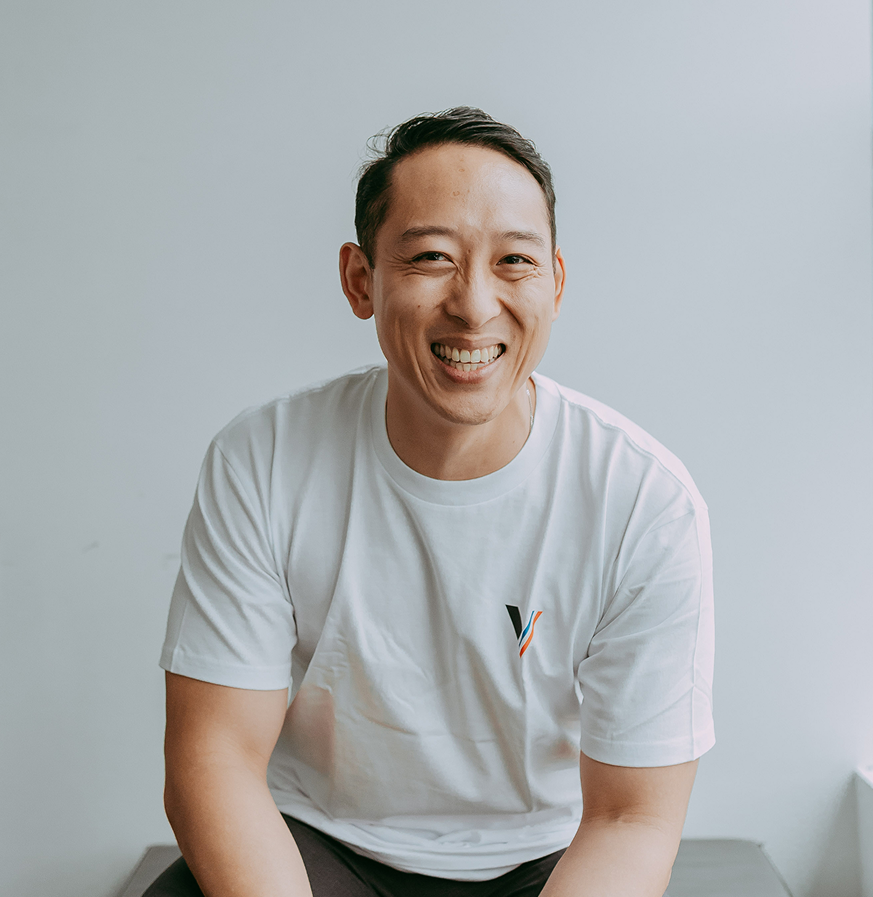
Richard Kan
Sports Chiropractor
Strength and Conditioning Coach
Helping athletes and active individuals recover, perform, and stay injury-free.
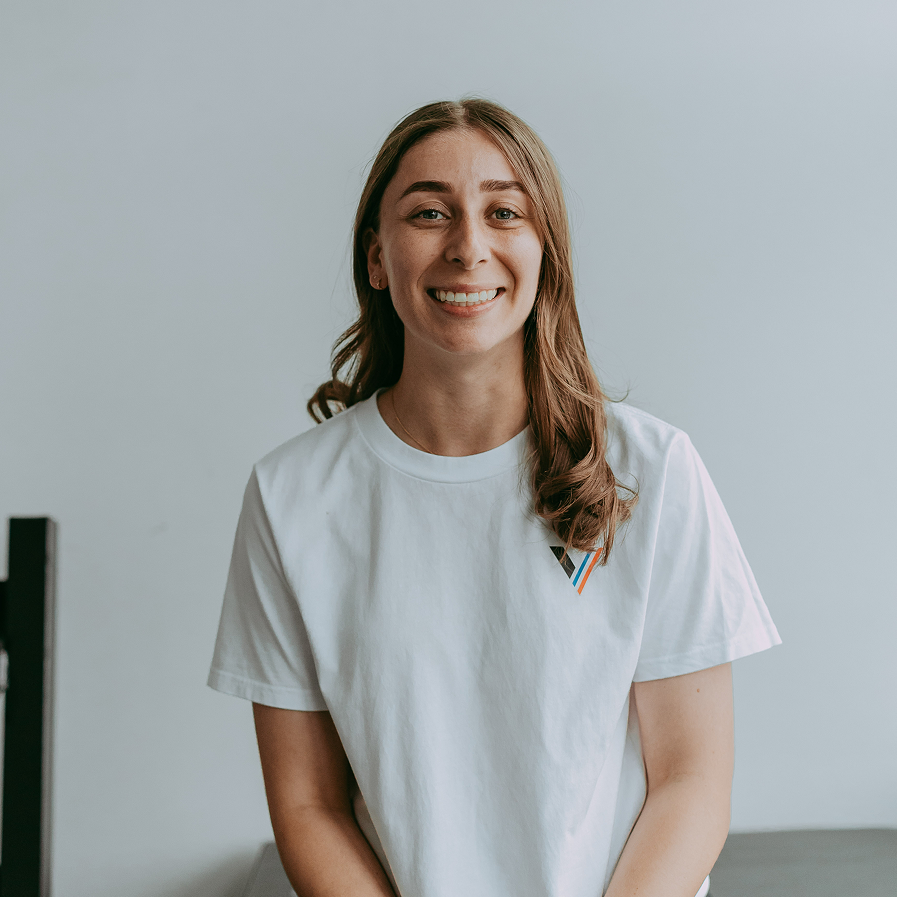
Rawan Haydar
Physiotherapist
Passionate about personalised care that supports recovery and long-term wellbeing.
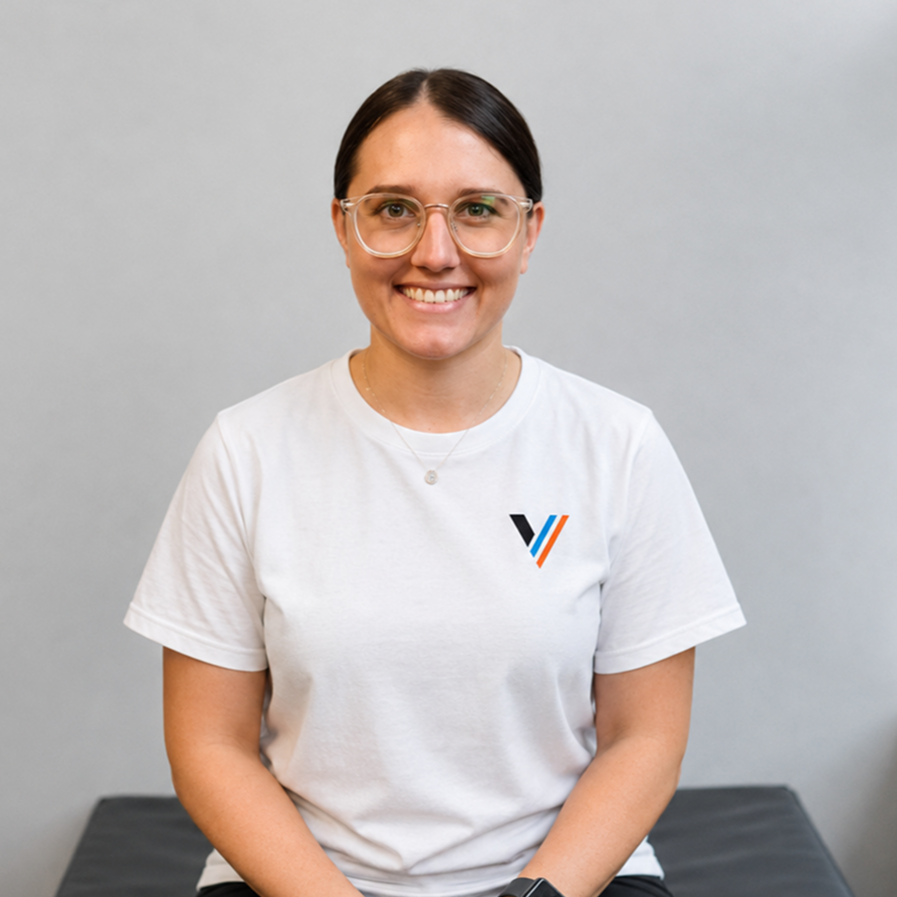
Jess Larder
Physiotherapist
Passionate about rehabilitation, movement, and helping people achieve their goals.
Getting Here
We treat lower back pain at both our Norwest and Dural clinics.
Norwest
301/10 Century Circuit NORWEST NSW 2153
Inside Norwest Central Building Complex - 8 - 12 Century Circuit
Entry doors next to Zaatar and Zucchero Cafe
Operating Hours
Mon - Fri 8am - 6pm
Sat 8am - 12pm
Sun CLOSED

Ready to Sort Your Back Out?
We see patients with lower back pain from across The Hills, including Dural, Round Corner, Kenthurst, Glenhaven, Castle Hill, Kellyville, Baulkham Hills, Cherrybrook and Bella Vista, at our Norwest and Dural clinics, and in Canberra at Giralang. Book online or call and we will get you assessed.