
Shin Splints Treatment in Norwest & Dural
The Short Version
Shin splints is pain along the inner border of the shin bone that comes on with running and settles with rest. It is a load problem, almost always caused by doing too much too soon. The honest position is that the research on treating it is thin and no single treatment has strong evidence behind it. What consistently works in practice is managing training load properly, building calf and foot capacity, and a graded return rather than a full stop. The important thing to rule out early is a stress fracture, which behaves differently and matters more.
The Shins We See Most
The most common version is someone six to ten weeks into a new running program, or a field sport player two or three weeks into preseason. Pain along the inside of the shin that was only at the start of a run, then during, and now afterwards too. They have usually tried new shoes and stretching. The second version is someone who has ignored it for a month and now has pain that is sharper, more localised, and hurts at rest. That one needs assessing for a stress fracture before anything else.
Do You Need a Scan?
Not for shin splints itself, which is a clinical diagnosis. The reason to image is to rule out a stress fracture, and X ray is often normal early so MRI or bone scan is the useful test if suspicion is high. We would refer for imaging if the pain is very focal rather than spread along the bone, if it worsens through activity instead of warming up, if it hurts at rest or at night, if there is a history of stress fracture, or if there are risk factors such as low energy availability, menstrual disturbance or low bone density. That last group matters. In runners, particularly younger female runners, recurrent bone stress injury is sometimes a nutrition and energy availability problem rather than a training one, and it needs addressing properly rather than with more rehab.
Whether you need imaging is something we work out with you at the appointment, based on where it hurts and what we find when we examine you. Your practitioner will talk you through whether a scan would change anything, and organise it if it would.
When You Should Be Seen Urgently
Two things that present as shin pain are not a loading problem, and both change what happens next. Tell us when you book if either fits.
Go to emergency if the pain is severe, the shin feels tight and hard, and you have numbness, pins and needles, or a foot that has gone cold or weak. This almost always follows a direct blow, a crash or a fracture, and much less often very intense exercise. That can be compartment syndrome, and it is a surgical emergency.
Book in with us soon, and tell us when you book, if the pain has narrowed to one specific spot you can cover with a fingertip rather than spreading along the inside edge of the shin. If it hurts at rest or at night. If it hurts when you hop on that leg. Or if it’s getting worse with every run rather than warming up over the first ten minutes. That pattern points at a bone stress injury rather than shin splints, and one particular kind, on the front edge of the shin bone, is slow to heal and needs to be caught early.
Also tell us if you’ve had irregular or absent periods, a history of disordered eating, or repeated stress injuries, because low energy availability is a common and under-recognised driver of bone stress in runners.
If none of that fits, you’re in the right place.

What Is Actually Driving It
Shin splints is a training load problem wearing a medical sounding name. These are the six things that matter.
A jump in running volume or intensity
Whether it is actually a stress fracture
Surface and footwear changes
A previous episode that was never fully rebuilt
Volume that climbed faster than the bone adapted
Calf and foot capacity
How We Actually Treat It
Here’s the honest position, and you won’t find it on many clinic pages.
There is no single treatment for shin splints with strong evidence behind it. Braces, ultrasound, laser, shockwave, compression and stretching. None of it has been shown to reliably fix this. Anyone promising you a modality that resolves shin splints is ahead of what’s actually known.
So why come in at all? Three reasons, and they’re all real.
First, to make sure it’s actually shin splints. The thing that matters most about shin pain is separating diffuse overload of the shin bone from a bone stress fracture, and from exertional compartment syndrome. Those need completely different management, and getting it wrong costs you a season.
Second, load management. This is what the condition actually responds to. Working out what changed in the four to six weeks before it started is usually the most productive twenty minutes of the first appointment, and then rebuilding your running volume in a way the shin can keep up with.
Third, the things that raise your risk. Having had shin splints before is by far the strongest predictor of getting them again. Others that matter less but still count include a higher body weight, more foot pronation, and being newer to running. Some of those you can change and some you can’t, and knowing which is which stops you wasting effort.
What Recovery Actually Looks Like
Weeks one to two. Reducing the load that is provoking it while keeping everything else going. Cross-training that doesn’t hurt keeps your fitness while the shin settles.
Weeks two to six. Gradual reintroduction of running volume, with the calf and foot strength work running alongside. Most people feel substantially better in this window.
Weeks six to twelve. Building back to full volume and intensity, one variable at a time. Adding distance and speed in the same week is how it comes back.
Shin splints usually settle in four to eight weeks with the load managed properly. If it’s not tracking that way, the diagnosis is worth revisiting, because a bone stress injury behaves very differently and doesn’t respond to the same plan.
What Else It Could Be
“Shin splints” is a description of where it hurts, not a diagnosis, and three different things live under that name.
Medial tibial stress syndrome. Diffuse pain along the inside edge of the lower shin, sore over a stretch of several centimetres, worse at the start of a run and often easing as you warm up. The common one.
Tibial bone stress injury. Pain that’s narrowed to one small spot, hurts when you hop, hurts at rest or at night, and gets worse with every run rather than warming up. Needs offloading and sometimes imaging, and one variety on the front of the shin is genuinely slow to heal.
Chronic exertional compartment syndrome. Tightness, aching and sometimes numbness or foot drop that builds predictably during exercise and settles within minutes of stopping. Different mechanism entirely, and load management doesn’t touch it.
Referred or nerve-related pain. Less common, but shin pain that doesn’t behave like a loading problem is worth checking further up.
Working out which of these you have is the single most useful thing that happens at the first appointment.
Related pages: Achilles Tendinopathy, Plantar Fasciitis, Calf Strain.
Frequently Asked Questions
How long do shin splints take to settle? Usually four to eight weeks once the load is managed properly. If it's not improving in that window, the diagnosis is worth revisiting, because a bone stress injury looks similar early and takes far longer.
Do I have to stop running? Usually not completely. What normally changes is the volume, the surface, the speed work, or how quickly you've been building. Stopping altogether loses fitness you'll have to rebuild, which is often what caused it in the first place.
Will orthotics fix it? Maybe, for some people, alongside load management. There's no good evidence that any single treatment resolves shin splints, orthotics included. More foot pronation is associated with a modestly higher risk, which is a reason to consider them rather than a reason to expect them to fix it on their own.
How do I know it's not a stress fracture? The useful distinction is where and when. Shin splints ache along a stretch of the inside shin and often ease as you warm up. A stress injury hurts at one specific point you can cover with a finger, hurts when you hop, and gets worse with every step. If yours reads like the second one, tell us when you book.
Why does it keep coming back? Having had it before is the strongest known risk factor by a distance. Usually the reason is that people return to full training as soon as it stops hurting rather than building back up, and the shin gets loaded faster than it can adapt.
Do I need a referral to book? No. You can book directly with any of our chiropractors or physiotherapists. If you've got a GP care plan or you're claiming through a fund, bring the paperwork and we'll work with it.
Who Treats This at Strive
Shin splints is treated at both clinics by our physiotherapists and chiropractors, with training load management built in. The first appointment is largely about confirming it is shin splints and not a bone stress injury, then working out what changed in your training.

Tammy Ong
Women’s Health Physiotherapist
Rehabilitation Pilates Instructor
Tammy helps women and active individuals recover from injury, improve movement, and return to the activities they love.

Warren Zhou
Chiropractor, competitive powerlifter, and trail runner who treats athletes from the gym floor to the platform to the start line.

Tegan Webster
Chiropractor
Providing evidence-based care to help patients achieve their health goals.

Richard Kan
Sports Chiropractor
Strength and Conditioning Coach
Helping athletes and active individuals recover, perform, and stay injury-free.

Rawan Haydar
Physiotherapist
Passionate about personalised care that supports recovery and long-term wellbeing.
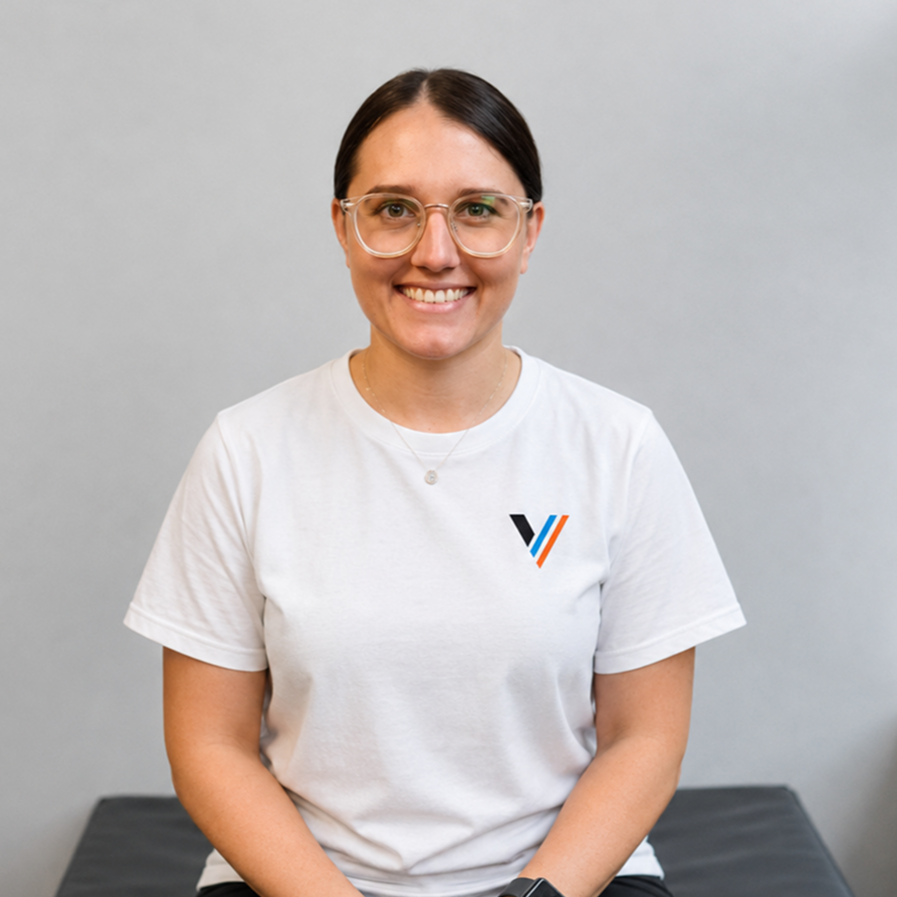
Jess Larder
Physiotherapist
Passionate about rehabilitation, movement, and helping people achieve their goals.
Getting Here
We treat shin splints at both our Norwest and Dural clinics.
Norwest
301/10 Century Circuit NORWEST NSW 2153
Inside Norwest Central Building Complex - 8 - 12 Century Circuit
Entry doors next to Zaatar and Zucchero Cafe
Operating Hours
Mon - Fri 8am - 6pm
Sat 8am - 12pm
Sun CLOSED

Ready to Get Back to Running?
We treat shin splints for patients from across The Hills, including Dural, Round Corner, Kenthurst, Glenhaven, Castle Hill, Kellyville, Baulkham Hills, Cherrybrook and Bella Vista, at our Norwest and Dural clinics, and in Canberra at Giralang.