
Calf Strain Treatment in Norwest & Dural
The Short Version
A calf strain is a sudden injury, usually felt as a sharp pain or the sensation of being kicked in the back of the leg. Most settle well. The problem is recurrence, and calf strains recur more than most people expect, particularly in players over thirty and in anyone who has had one before. The two things that change your odds are getting the calf genuinely strong again rather than just pain free, and coming back through a graded running program rather than straight into a game. If it came on suddenly with a snap and you cannot push off at all, that is a possible Achilles rupture and it needs same day assessment.
The Calves We See Most
The most common version is a footballer, tennis player or runner over thirty who pushed off, felt a sudden sharp pain in the back of the calf, and could walk but not run. Two weeks later it feels fine walking, and that is exactly when people go back and do it again. The second version is someone on their second or third calf strain, often in consecutive seasons. That pattern is well described and it is not bad luck. A previous calf strain is one of the strongest predictors of the next one.

What Actually Determines Your Result
Most calf strains heal. Whether you get another one is decided by these six.
Which calf muscle you actually injured
How you come back, not just when
Your age and your injury history
Calf capacity, measured rather than assumed
The first fast session back, unplanned
Soleus strength that was never trained
Do You Need a Scan?
Usually not. A calf strain is a clinical diagnosis and imaging rarely changes early management. We would image or refer if we suspect an Achilles rupture, if you cannot push off or do a single calf raise, if there is a palpable gap, if the leg is swollen and painful in a way that raises concern about a clot, or if you are an athlete where the precise return to play date matters enough to justify the information. One caveat worth stating plainly: in elite Australian football, research has found that clinical factors predict recurrence better than MRI findings alone. A scan tells you what the tissue looks like. It does not tell you whether you are ready.
Whether you need imaging is something we work out with you at the appointment. MRI is mainly useful for estimating how long you will be out, which matters if you have a season to plan around. Where there is any suspicion of a clot, an ultrasound is a different conversation and it happens urgently. Your practitioner will talk you through it.
When You Should Be Seen Urgently
One thing that feels like a calf strain is something else, and it changes what we do. Tell us when you book if this fits.
Go to emergency, today, if the calf is swollen, warm and painful and there wasn’t a clear moment of injury, particularly after a flight, surgery, illness or a period of immobility. That combination can be a blood clot. A confirmed calf strain doesn’t rule one out either, so if the pain and swelling are getting worse rather than better, get it checked.
Also go to emergency if the calf becomes hard, tight and numb with a foot that’s gone cold or weak, which can be compartment syndrome.
Book in with us soon, and tell us when you book, if you felt a sudden bang or snap at the back of the ankle and can’t push off or rise onto your toes, because that needs assessing quickly and we can do it. If this is the third or fourth calf strain on the same leg. If you’re over 40. Or if it happened while running rather than while accelerating or jumping, because all three predict a longer recovery.
How We Actually Treat It
Most calf strains aren’t where people think they are. Around seven in ten are in the soleus, the deeper of the two calf muscles, rather than the gastrocnemius. That matters because the soleus is loaded with a bent knee and the gastrocnemius with a straight one, and rehab that only trains one of them leaves the most commonly injured muscle untouched. It’s the single most common gap we see in calves that keep going.
The other thing that decides how this goes is when you come back. Most repeat calf injuries happen because someone returned before the calf was ready, and a good chunk of them happen while the first injury hadn’t fully settled. So the plan is built around getting you back at the right time rather than the earliest possible one.
Practically that means early loading rather than rest, progressive calf work with both a straight and a bent knee, and a running progression built on what the calf can tolerate rather than on the calendar. The first fast running session back is planned rather than stumbled into, because that’s where calves tend to go again.
And we keep the strength work going past the point it stops hurting, because that’s what makes the result hold.
Age and history change the plan. A 42-year-old on their fourth calf strain needs a different program from a 22-year-old on their first, and pretending otherwise is how people end up back here.
What Recovery Actually Looks Like
The below is a rough guideline. How fast you move through it depends on the grade of the tear, your history, and how the calf responds.
Days one to five. Settle it and start loading gently. Complete rest isn’t the plan.
Weeks one to four. Progressive calf loading, both straight-knee and bent-knee, building toward single-leg work.
Weeks four to eight. Running progression, then speed, then change of direction. That first fast session is planned rather than stumbled into.
Return is decided by what the calf can do rather than by the date.
Broadly: around two weeks for the mildest strains, three to five weeks for a minor tear, six to eight weeks for a moderate one, and eight to twelve weeks where the connective tissue is significantly involved.
What Else It Could Be
Deep vein thrombosis. Swelling, warmth and pain that builds without a clear injury, often after a flight, surgery or illness. Assessed urgently. A strain and a clot can coexist.
Achilles rupture. A sudden bang low down at the back of the ankle with loss of push-off. People routinely still walk on one, so walking doesn’t rule it out.
Chronic exertional compartment syndrome. Tightness and aching that builds predictably during exercise and settles within minutes of stopping.
Referred pain from the back. Calf pain with pins and needles, or without a clear injury and without local tenderness.
Bone stress injury of the tibia or fibula. Pain that gets worse with every step rather than warming up.
Related pages: Achilles Tendinopathy, Hamstring Strain.
Frequently Asked Questions
How long will I be out? It depends on the grade. Broadly: around two weeks for the mildest strains, three to five weeks for a minor tear, six to eight weeks for a moderate one, and eight to twelve weeks where the connective tissue is significantly involved. The spread within each of those is wide, so treat them as ranges rather than dates.
How do I know it isn't a blood clot? You often can't tell by feel, and that's the point. The pattern that should worry you is swelling, warmth and pain that came on without a clear injury or that's getting worse rather than better, especially after a flight, surgery or illness. Get that checked the same day. Having a confirmed strain doesn't rule out a clot.
Why does it keep happening? Most likely because you came back before it was ready. In AFL data, 20 percent of subsequent calf injuries happened before the athlete had fully recovered from the previous one, and those took an average of 47 days to return from. Prior calf strain is the strongest predictor of another.
Does the scan tell you when I can play? Roughly, and only roughly. MRI grade correlates with time out. It has been shown to have no association with whether it happens again, so it doesn't tell us how durable your calf will be, which is the more important question.
Do I need to train both calf muscles? Yes, and this is one of the more useful things on the page. Around 70 percent of calf tears are in the soleus, which is loaded with a bent knee, and standing calf raises with a straight leg barely touch it. Rehab that skips the bent-knee work leaves the most commonly injured muscle untrained.
Do I need a referral to book? No. You can book directly with any of our chiropractors or physiotherapists. If you've got a GP care plan or you're claiming through a fund, bring the paperwork and we'll work with it.
Who Treats This at Strive
Calf injuries are treated at both clinics by our physiotherapists and chiropractors. The first appointment is largely about working out which structure you injured and ruling out the things that are not a calf strain. After that it is a loading program and a graded return to running, which is the part that decides whether you are back here next season.

Tammy Ong
Women’s Health Physiotherapist
Rehabilitation Pilates Instructor
Tammy helps women and active individuals recover from injury, improve movement, and return to the activities they love.

Warren Zhou
Chiropractor, competitive powerlifter, and trail runner who treats athletes from the gym floor to the platform to the start line.
Tegan Webster
Chiropractor
Providing evidence-based care to help patients achieve their health goals.
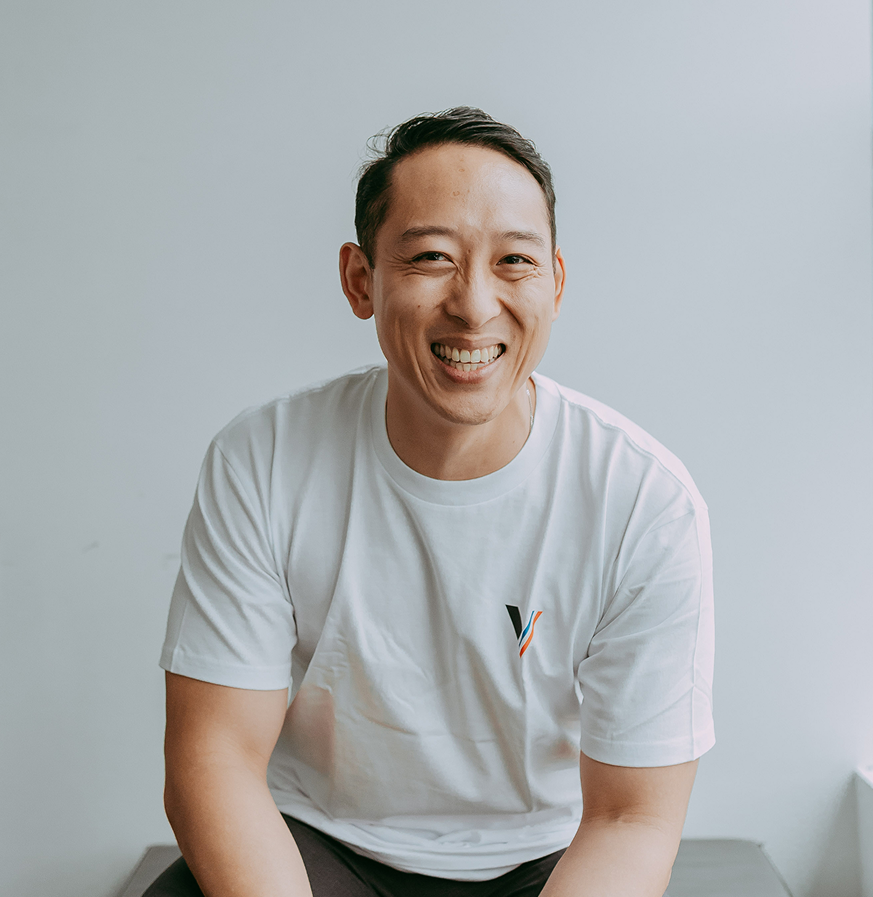
Richard Kan
Sports Chiropractor
Strength and Conditioning Coach
Helping athletes and active individuals recover, perform, and stay injury-free.
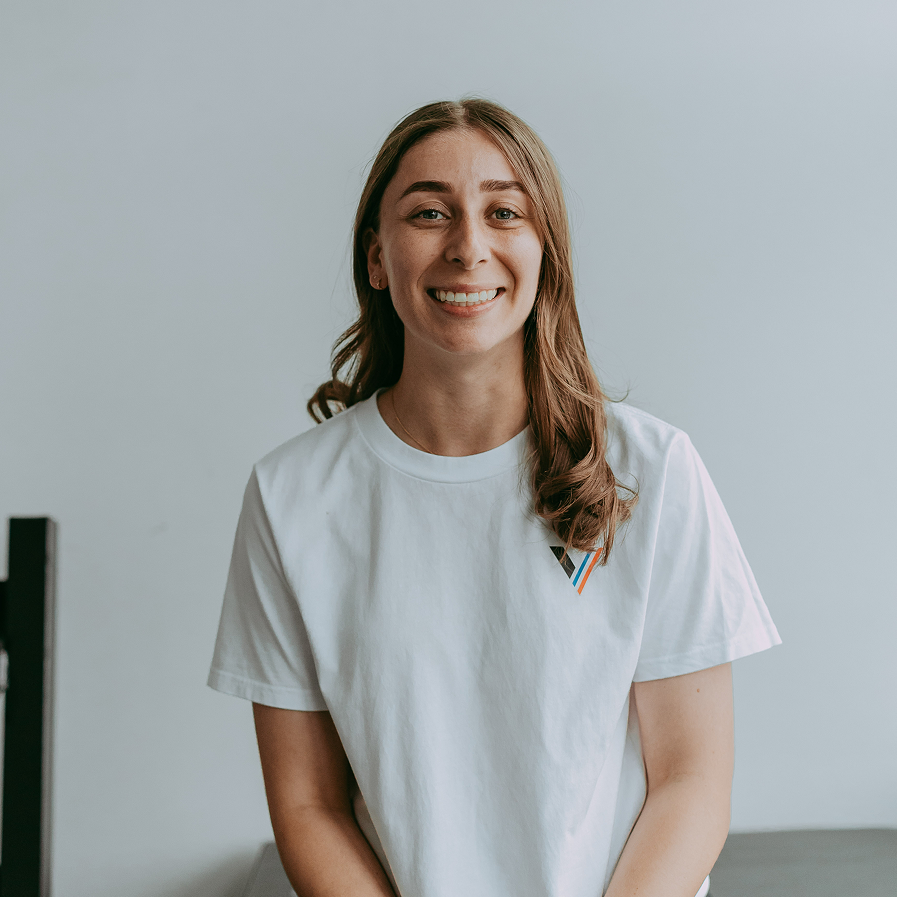
Rawan Haydar
Physiotherapist
Passionate about personalised care that supports recovery and long-term wellbeing.
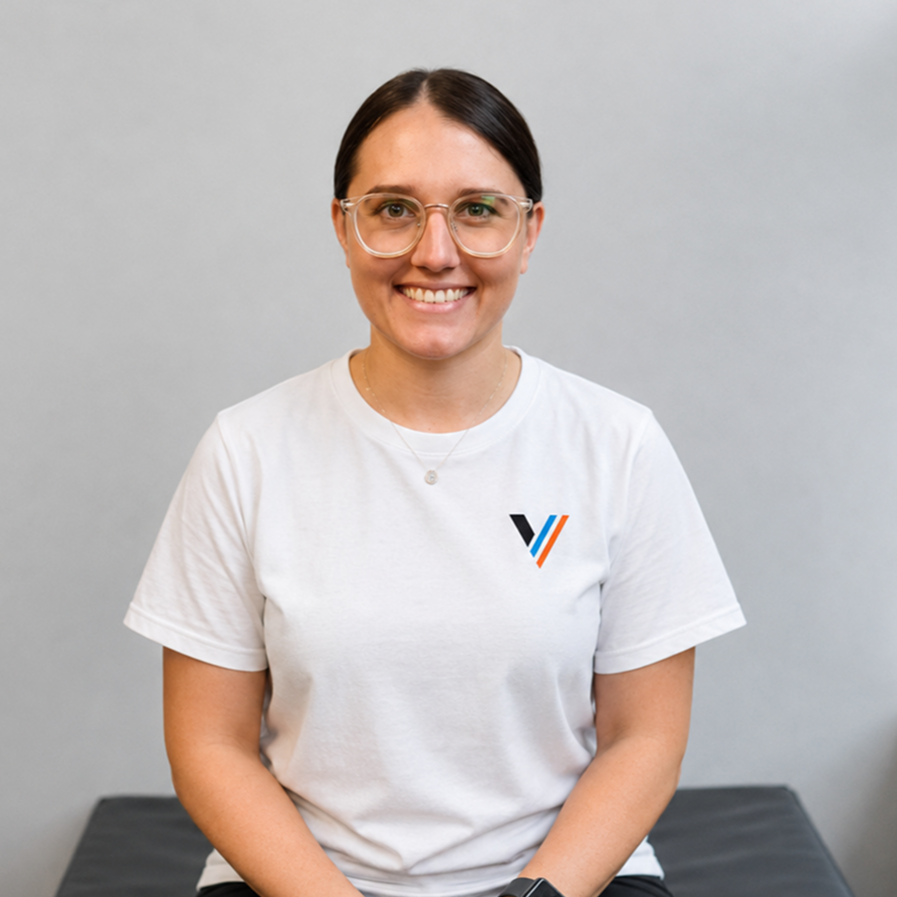
Jess Larder
Physiotherapist
Passionate about rehabilitation, movement, and helping people achieve their goals.
Getting Here
We treat calf injuries at both our Norwest and Dural clinics.
Norwest
301/10 Century Circuit NORWEST NSW 2153
Inside Norwest Central Building Complex - 8 - 12 Century Circuit
Entry doors next to Zaatar and Zucchero Cafe
Operating Hours
Mon - Fri 8am - 6pm
Sat 8am - 12pm
Sun CLOSED

Ready to Stop Tearing Your Calf?
We treat calf injuries for patients from across The Hills, including Dural, Round Corner, Kenthurst, Glenhaven, Castle Hill, Kellyville, Baulkham Hills, Cherrybrook and Bella Vista, at our Norwest and Dural clinics, and in Canberra at Giralang.