
Achilles Tendinopathy Treatment in Norwest & Dural
The Short Version
Achilles pain is a loading problem, and the treatment is loading. That sounds obvious and it is still the opposite of what most people do, which is rest until it settles and then go straight back to what caused it. The tendon warms up with activity and hurts again afterwards, which is why people think they are fine mid run. Expect three to six months of consistent strength work. It is slow, it is boring, and it works. Sudden severe pain with a snap or the feeling of being kicked in the back of the leg is a different problem and needs same day assessment.
The Achilles We See Most
The most common version is a runner or a gym goer three months in who has been stretching it, rolling it and resting it in cycles. It feels better after a few days off, then hurts again within two runs. They have never done heavy calf work, and the tendon has quietly become less tolerant with every rest period. The second version is someone in their forties or fifties who has just started running or playing again after years off. Tendons adapt more slowly than fitness does, and that gap is where this happens.
Do You Need a Scan?
Usually not. Achilles tendinopathy is diagnosed from where it hurts, when it hurts, and how it responds to load. Ultrasound will usually show tendon change, which confirms the history and does not change the plan. Tendon appearance on imaging correlates poorly with pain. We would image or refer if the pain came on suddenly with a snap or a feeling of being struck, if you cannot push off or do a single calf raise, if there is a palpable gap in the tendon, or if you have had six months of genuine loading with no change.
Whether you need imaging is something we work out with you at the appointment, based on where it hurts and what we find when we examine you. Your practitioner will talk you through whether a scan would change anything, and organise it if it would.
When You Should Be Seen Urgently
A couple of things that present like Achilles pain are something else, and they change what happens next. Tell us when you book if any of these fit.
Go to emergency if the calf or ankle is hot, swollen and red with a fever, or if there is calf pain and swelling that came on without an injury, which can be a clot rather than a tendon.
Book in with us soon, and tell us when you book, if you felt a sudden snap or a bang at the back of the ankle, especially if it felt like someone kicked you, and you cannot push off properly or rise onto your toes on that leg. That is a suspected rupture and it needs assessing quickly, which is something we can do. People routinely walk on a ruptured Achilles, so being able to walk does not rule it out.
Also tell us if the pain came on suddenly rather than gradually, if it’s getting worse week on week despite backing off, or if you’re on a fluoroquinolone antibiotic or have been recently, because those are associated with tendon problems.
If none of that fits, you’re in the right place.

What Is Actually Driving It
Achilles tendinopathy is a capacity problem. These are the six things that decide how it goes.


A jump in load the tendon was not ready for
Where on the tendon it hurts
Hills or speed work added too quickly

Calf Strength
Rest Cycles
Calf strength that was never actually tested
How We Actually Treat It
Loading, and enough of it, for long enough. That’s the whole treatment and there isn’t a shortcut.
Doing the work beats waiting it out by a wide margin, and that’s the main thing worth knowing. Achilles pain that gets left alone tends to still be there months later.
There’s a long-running argument about which loading protocol is best. Heavy slow resistance and eccentric heel drops have been compared head to head and both work about as well as each other. What actually differs is whether people stick with it, so we’ll usually pick based on what you’ll realistically keep doing rather than on which protocol sounds better.
Where the pain sits matters. Most Achilles tendinopathy is in the middle of the tendon, a few centimetres above the heel. Some sits right where the tendon meets the heel bone, and that one behaves differently and doesn’t like being stretched into full dorsiflexion. If yours is at the insertion we’ll adjust the program accordingly, and we’ll tell you.
What Recovery Actually Looks Like
Weeks one to six. Loading starts and it often doesn’t feel like much is happening. Morning stiffness is usually the last thing to go, so don’t judge it on your first steps out of bed.
Months two to four. This is where most of the change shows up. The tendon warms up faster, tolerates more, and stops complaining the day after.
Months four to six and beyond. Getting back to full running or jumping load, and continuing the strength work past the point where it stops hurting. This is where people stop and where it comes back.
Three to six months is the honest timeframe for a tendon that’s been sore for a while. Some soreness during and after loading is expected and isn’t damage. The rule we use is that it should be back to baseline within about twenty four hours.
What Else It Could Be
Pain at the back of the ankle isn’t always the tendon itself.
Mid-portion Achilles tendinopathy. Pain and thickening a few centimetres above the heel, worse first thing and after sitting, warms up with activity. The most common by a distance and the one with the best evidence behind it.
Insertional Achilles pain. Right where the tendon attaches to the heel bone. Behaves differently, dislikes deep stretching and uphill work, and needs a modified plan.
Retrocalcaneal bursitis. Pain slightly deeper and in front of the tendon, often with a shoe rubbing on it.
Posterior ankle impingement. Pain with pushing off and pointing the foot down, common in dancers and footballers.
Bone stress in the heel or lower tibia. Pain that gets worse with every step rather than warming up. Needs the load taken off rather than built up.
Partial or complete rupture. A sudden snap with loss of push-off power. Assessed urgently rather than waited out.
Related pages: Calf Strain, Plantar Fasciitis, Shin Splints.
Frequently Asked Questions
How long does Achilles tendinopathy take to settle? Three to six months is honest for a tendon that's been sore for more than a few weeks. You should notice change well before that, but the tendon keeps adapting for months and stopping early is the most common reason it returns.
Should I stop running? Usually not completely. What normally changes is the volume, the hills, the speed work, and the surface. Complete rest lets the tendon get less tolerant, so you come back to the same load with less capacity than you had.
Is stretching it good or bad? For pain in the middle of the tendon, stretching is neither here nor there. For pain right at the heel bone, deep stretching often makes it worse because it compresses the tendon against the bone. That's one reason it matters where exactly yours hurts.
Should I get a cortisone injection into it? No. Injecting cortisone into or around the Achilles is associated with tendon rupture and it's avoided for that reason. If someone has offered you one, that's a conversation worth having with them first.
Does a heel raise or an orthotic help? A temporary heel raise can take load off an angry tendon and make the early weeks easier. It is a short term measure alongside the loading rather than a fix, and staying in it long term is not the goal.
Do I need a referral to book? No. You can book directly with any of our chiropractors or physiotherapists. If you've got a GP care plan or you're claiming through a fund, bring the paperwork and we'll work with it.
Who Treats This at Strive
Achilles tendinopathy is treated at both clinics by our physiotherapists and chiropractors. Because the treatment is a months long loading program rather than a series of appointments, most of the work happens between visits and the sessions exist to progress it.
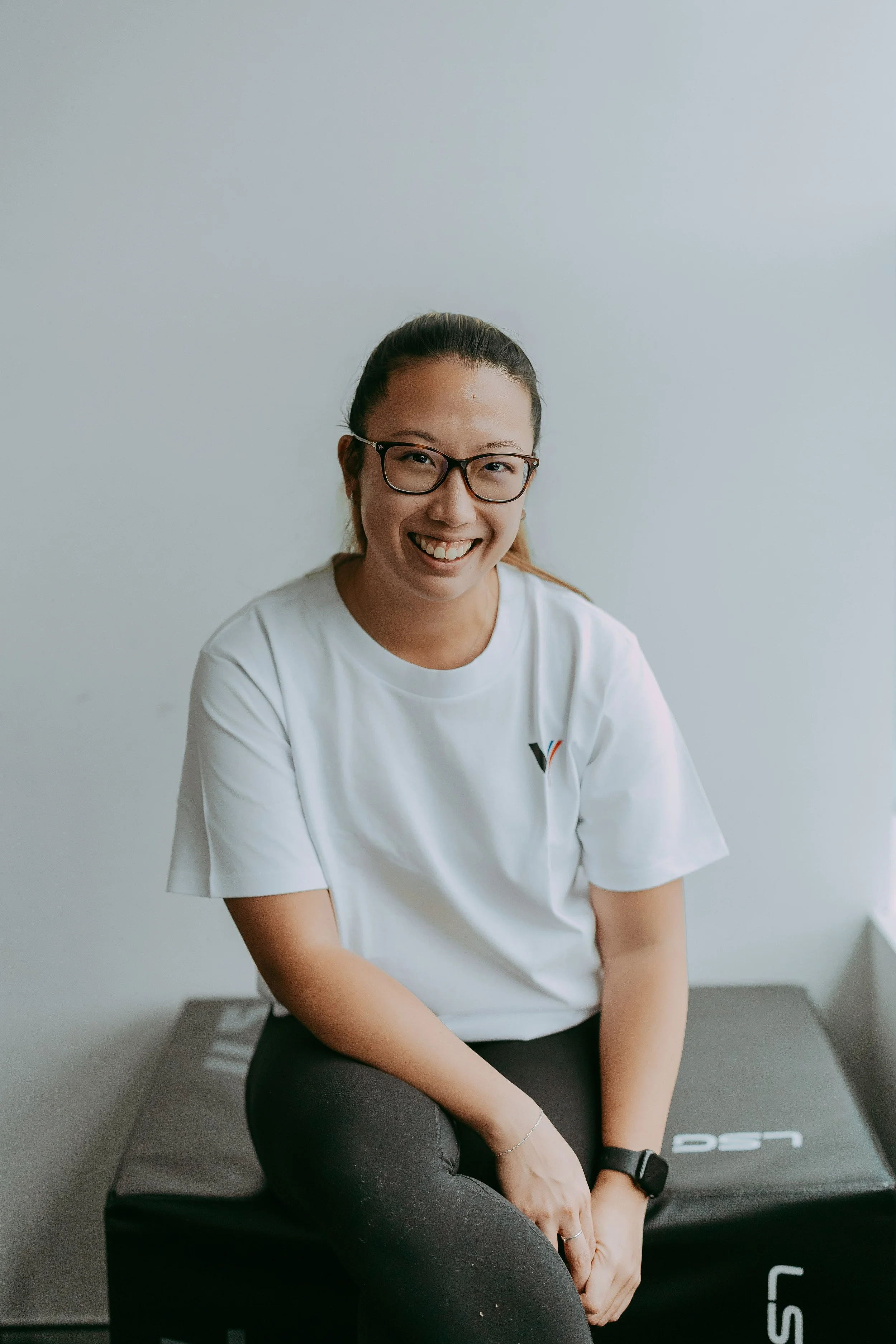
Tammy Ong
Women’s Health Physiotherapist
Rehabilitation Pilates Instructor
Tammy helps women and active individuals recover from injury, improve movement, and return to the activities they love.

Warren Zhou
Chiropractor, competitive powerlifter, and trail runner who treats athletes from the gym floor to the platform to the start line.
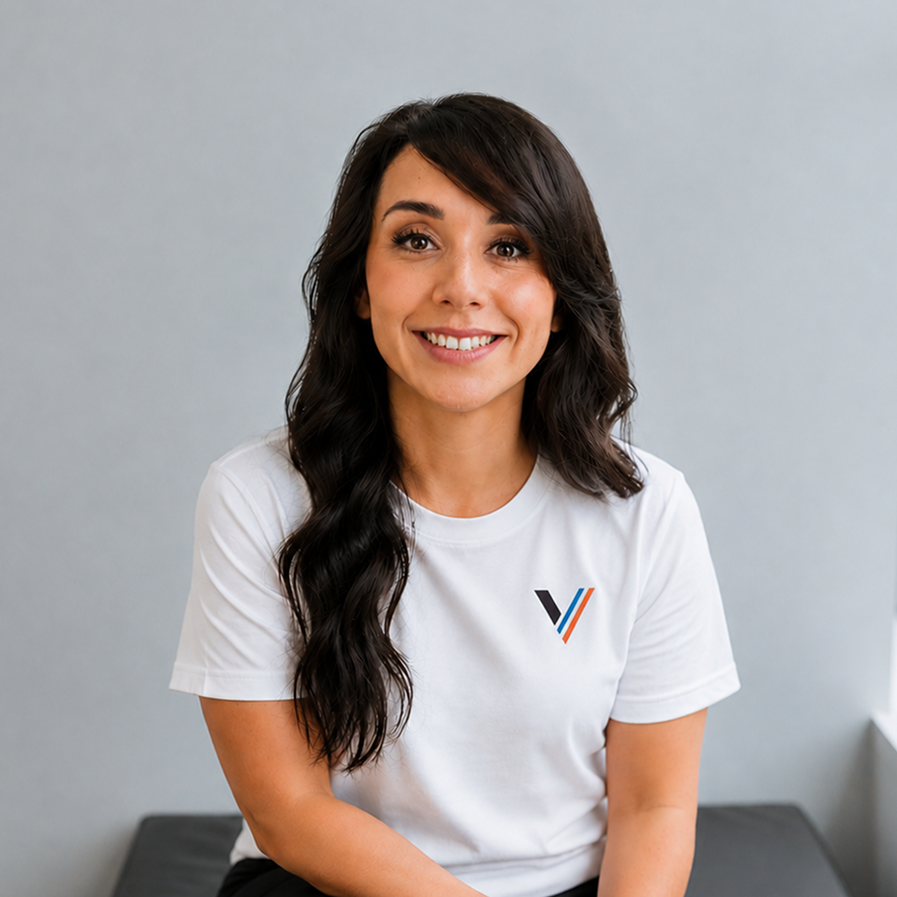
Tegan Webster
Chiropractor
Providing evidence-based care to help patients achieve their health goals.
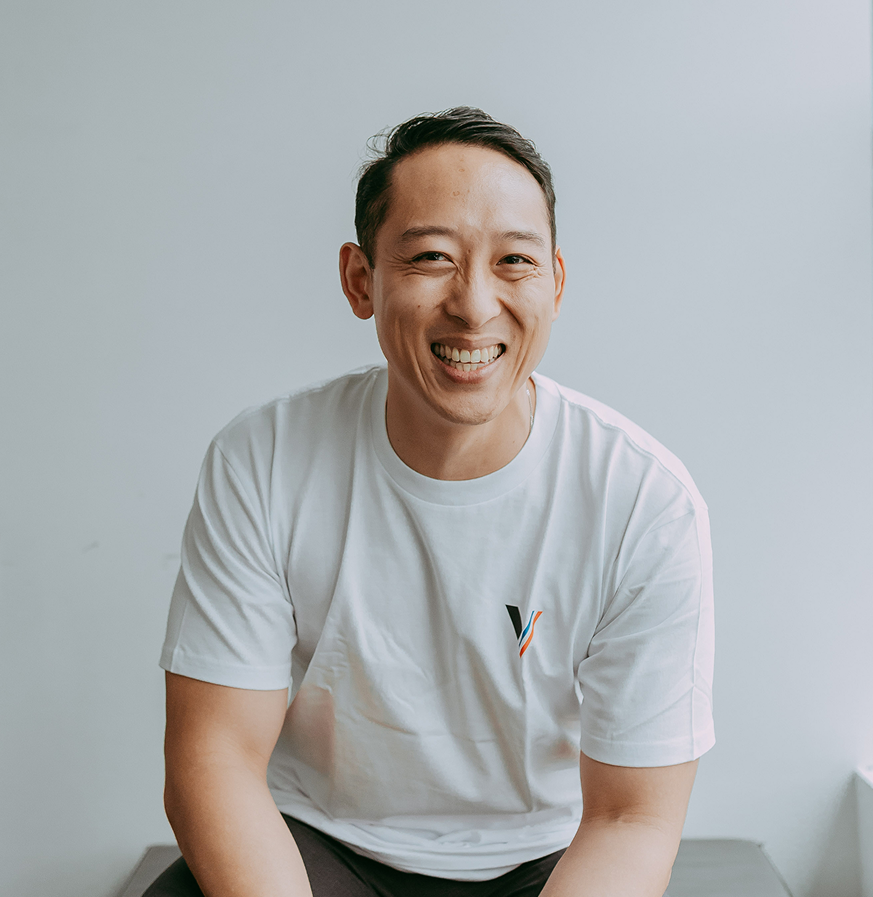
Richard Kan
Sports Chiropractor
Strength and Conditioning Coach
Helping athletes and active individuals recover, perform, and stay injury-free.
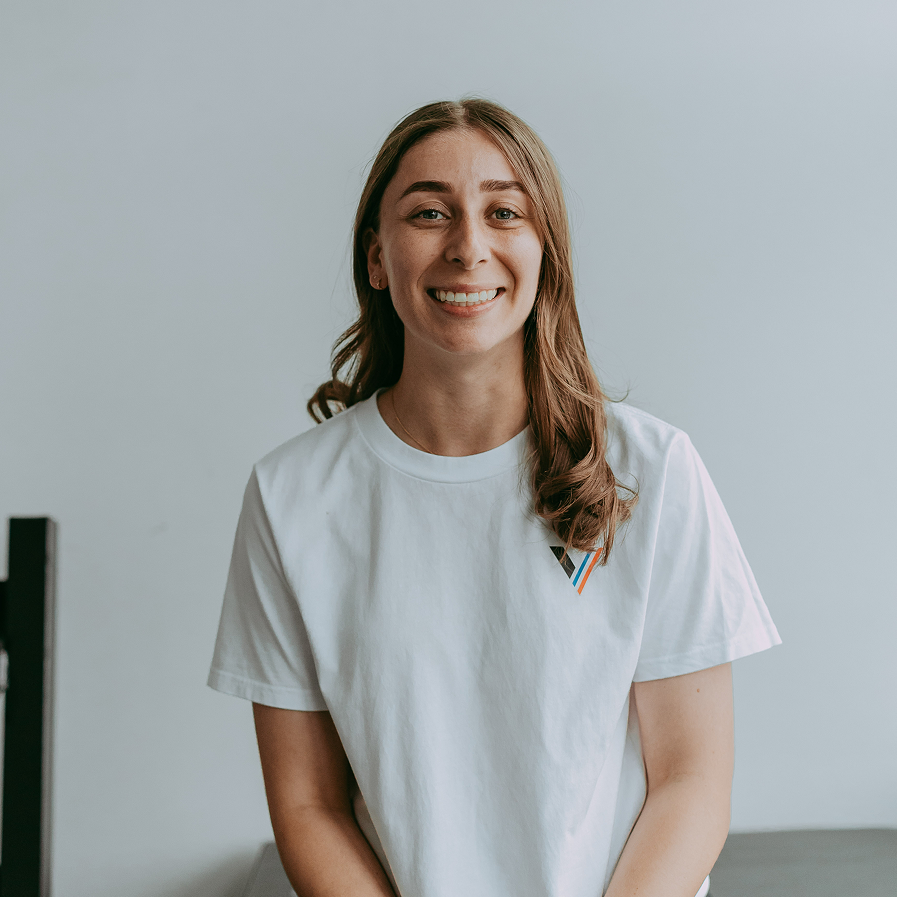
Rawan Haydar
Physiotherapist
Passionate about personalised care that supports recovery and long-term wellbeing.
Jess Larder
Physiotherapist
Passionate about rehabilitation, movement, and helping people achieve their goals.
Getting Here
We treat Achilles tendinopathy at both our Norwest and Dural clinics.
Norwest
301/10 Century Circuit NORWEST NSW 2153
Inside Norwest Central Building Complex - 8 - 12 Century Circuit
Entry doors next to Zaatar and Zucchero Cafe
Operating Hours
Mon - Fri 8am - 6pm
Sat 8am - 12pm
Sun CLOSED
Ready to Sort Your Achilles Out?
We treat Achilles tendinopathy for patients from across The Hills, including Dural, Round Corner, Kenthurst, Glenhaven, Castle Hill, Kellyville, Baulkham Hills, Cherrybrook and Bella Vista, at our Norwest and Dural clinics, and in Canberra at Giralang.