
Tennis Elbow Treatment in Norwest & Dural
The Short Version
Tennis elbow is a tendon problem on the outside of the elbow, and most people who have it do not play tennis. It hurts to grip, to lift a kettle, to shake hands. The most important thing to know is that a cortisone injection makes it feel better fast and leaves you worse off at a year than doing nothing. Progressive loading is slower, less satisfying early, and it is what actually works. Expect this to take months.
The Elbow Pain We See Most
The most common version is someone six to eight weeks in who has had one cortisone injection, felt great for a month, and is now back where they started or worse. They have usually been told to rest it, which has not helped, and they have stopped gripping anything, which has made the tendon less tolerant rather than more. The second version is someone who has just increased their gym volume, changed their grip, or done a weekend of renovation, and has caught it early. That person has a much easier road, which is worth saying out loud.
Do You Need a Scan?
Almost never. Tennis elbow is diagnosed from where it hurts and what provokes it. Ultrasound will usually show tendon change, which confirms what the history already told us and does not change the plan. We would image if the pain came on suddenly with a snap, if there is significant loss of movement or locking, if there is numbness or pins and needles pointing at a nerve, or if you have had six months of genuine loading with no change.
Whether you need imaging is something we work out with you at the appointment, based on where it hurts and what we find when we examine you. Your practitioner will talk you through whether a scan would change anything, and organise it if it would.
When You Should Be Seen Urgently
A few things that look like tennis elbow are something else, and they need a different plan. Tell us when you book if any of these fit.
Go to emergency if the elbow is hot, swollen and red with a fever, if it looks deformed after a fall, or if you can’t straighten or bend it at all after an injury.
Book in with us soon, and tell us when you book, if you’ve got numbness, pins and needles or weakness in the hand rather than just pain at the elbow, because that points at a nerve. If the pain is more in the back of the forearm than right on the bony point. If there’s night pain unrelated to use, unexplained weight loss, or you’ve had cancer. Or if it started after a specific fall or a heavy lift rather than building up over weeks.
If none of that sounds like your elbow, you’re in the right place.

What Is Actually Driving It
Tennis elbow is a loading problem in the tendon that extends your wrist. These are the six things that decide how it goes.
A jump in gripping load
Grip strength and forearm capacity
What you did about it first
Shoulder and neck contribution
Gripping load that climbed without warning
Months of rest that lowered what the tendon tolerates
A jump in gripping load
Grip strength and forearm capacity
What you did about it first
Shoulder and neck contribution
Gripping load that climbed without warning
Months of rest that lowered what the tendon tolerates
How We Actually Treat It
Tennis elbow does settle on its own, given long enough. Left alone, most cases take somewhere between twelve and eighteen months to settle. That’s worth knowing up front, because it tells you what treatment is actually for.
It’s for speed. Loading the tendon properly gets you there in weeks rather than months, and if you use your arm for work or sport, that difference is the whole point.
The one thing we’d steer you away from is a cortisone injection. It feels excellent for about six weeks and leaves you worse off at a year, with a much higher chance of the problem coming straight back. If you’ve already had one, that is not a disaster. It just means the loading work matters more from here.
What we do instead is load the tendon. Progressive strength work for the wrist extensors and the whole arm, built up over eight to twelve weeks, plus changing whatever is provoking it: grip size, technique, how much and how often. Hands on work and bracing have a place for symptom control early. They’re not the treatment.
What Recovery Actually Looks Like
Weeks one to three. Settling it down and working out what’s provoking it. Usually that means changing grip, load or frequency rather than stopping altogether.
Weeks three to eight. Loading. This is the part that shortens the whole thing, and it needs to get properly heavy to work. Expect the elbow to be sore during it. That’s not damage.
Weeks eight to sixteen. Building back to full grip and full load. Most people are functionally fine well before this and stop, which is why it lingers.
The honest timeframe is that left alone, most tennis elbow takes twelve to eighteen months to settle, and the work is about compressing that. If yours has been going longer than that, it is worth a proper look.
What Else It Could Be
Pain on the outside of the elbow is usually tendon. A few things aren’t, and they don’t respond to loading.
Radial nerve irritation. Pain slightly further down the forearm than the bony point, sometimes with a deep ache rather than a sharp local pain. Loading it makes it worse rather than better.
Referred pain from the neck. Elbow and forearm pain with pins and needles, or pain that changes with neck position. Worth checking upstream, especially if there’s no clear overload story.
Elbow joint or ligament problems. Usually after a specific injury, often with swelling or a feeling of instability.
Golfer’s elbow. Same problem on the inside of the elbow rather than the outside. Same principles, different muscles.
If it doesn’t fit the classic pattern of pain right on the bony point that’s worse with gripping, telling us at the first appointment saves time.
Related pages: Carpal Tunnel, Neck Pain.
Frequently Asked Questions
How long will tennis elbow take to get better? Left alone, most cases take somewhere between twelve and eighteen months to settle. Loading properly shortens that substantially, and at six weeks a treated group is around two and a half times more likely to be much improved than an untreated one. If you use your arm for work, that difference is the whole point.
Should I get a cortisone injection? We'd advise against it, and this is one of the few areas where the evidence is genuinely clear. Two randomised trials found cortisone works well at six weeks and leaves you worse off at a year, with recurrence rates of 54 to 72 percent compared with around 10 percent without it. If you've already had one, that's not a disaster, it just means the loading work matters more.
Should I wear a brace? A counterforce brace or a wrist splint can take the edge off while you're working, and that's a reasonable use for it. It won't fix the tendon. Think of it as something that buys you room to do the strength work, not as the treatment.
Do I have to stop playing or lifting? Almost never completely. What usually changes is grip size, load, frequency, or one specific movement. Stopping entirely tends to make the tendon less tolerant rather than more.
Is it actually from tennis? Usually not. Most people we see have never played. It's a loading problem in the wrist extensor tendons, and the common causes are gripping tools, keyboards and mice, lifting with the palm down, and any sudden increase in hand-intensive work.
Do I need a referral to book? No. You can book directly with any of our chiropractors or physiotherapists. If you've got a GP care plan or you're claiming through a fund, bring the paperwork and we'll work with it.
Who Treats This at Strive
Tennis elbow is treated at both clinics by our physiotherapists and chiropractors. Because the treatment is a loading program rather than a series of appointments, most of the work happens between visits.

Tammy Ong
Women’s Health Physiotherapist
Rehabilitation Pilates Instructor
Tammy helps women and active individuals recover from injury, improve movement, and return to the activities they love.
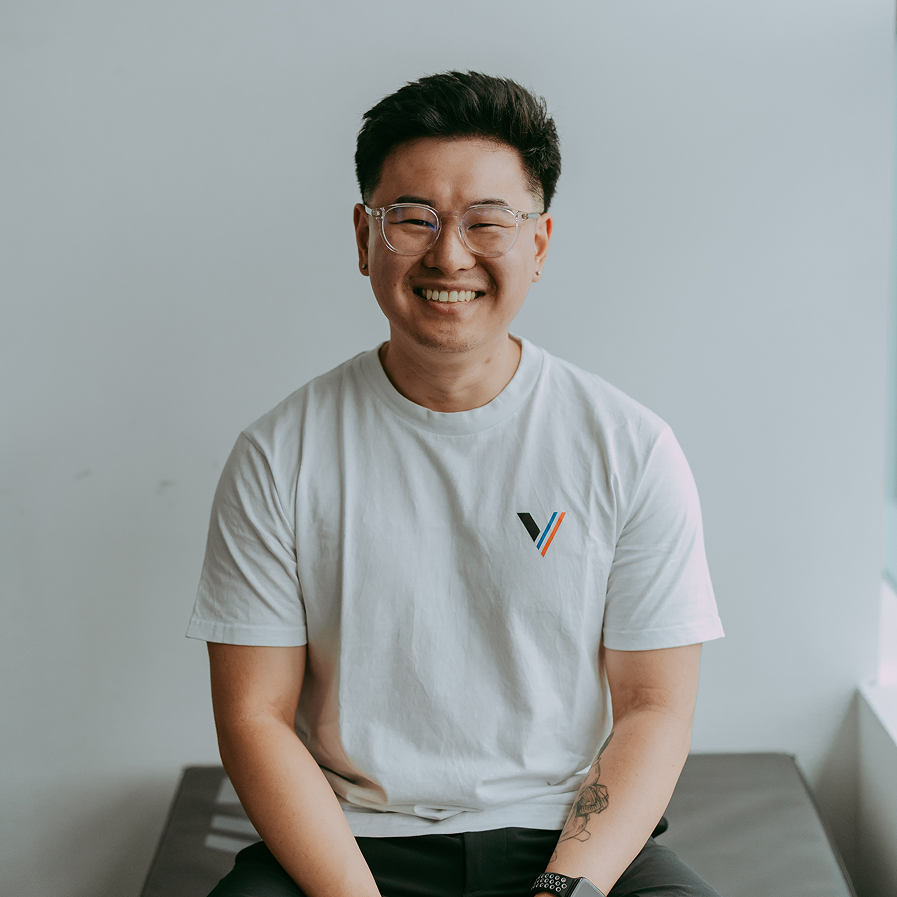
Warren Zhou
Chiropractor, competitive powerlifter, and trail runner who treats athletes from the gym floor to the platform to the start line.
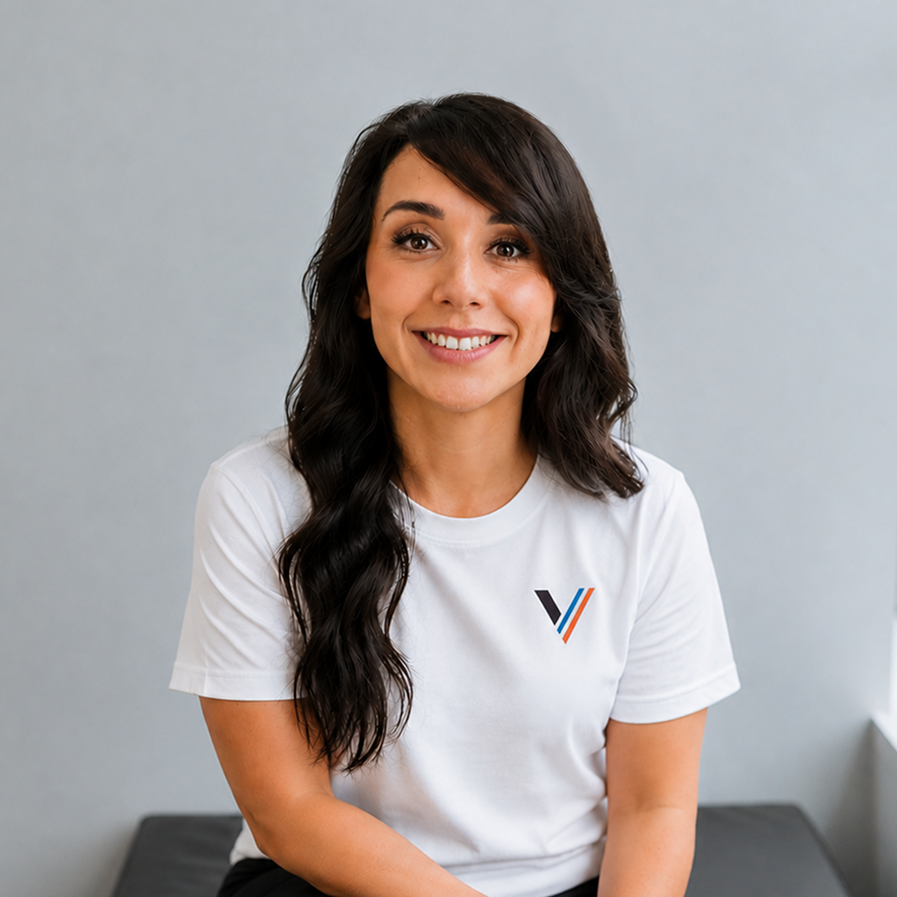
Tegan Webster
Chiropractor
Providing evidence-based care to help patients achieve their health goals.
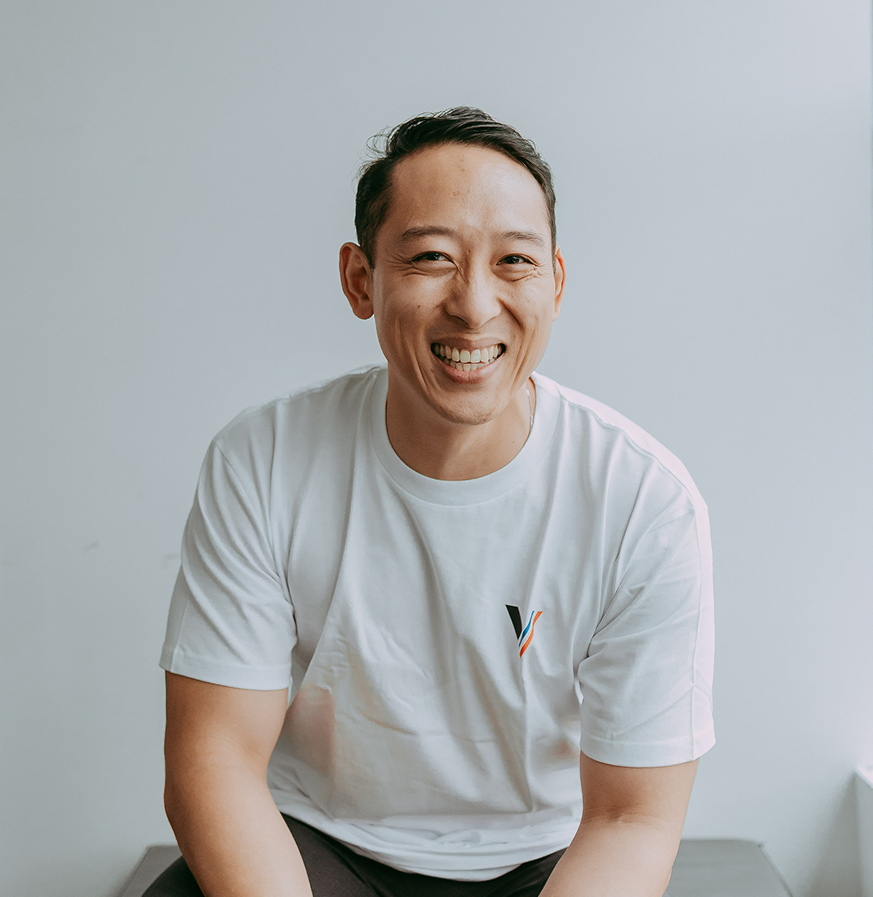
Richard Kan
Sports Chiropractor
Strength and Conditioning Coach
Helping athletes and active individuals recover, perform, and stay injury-free.
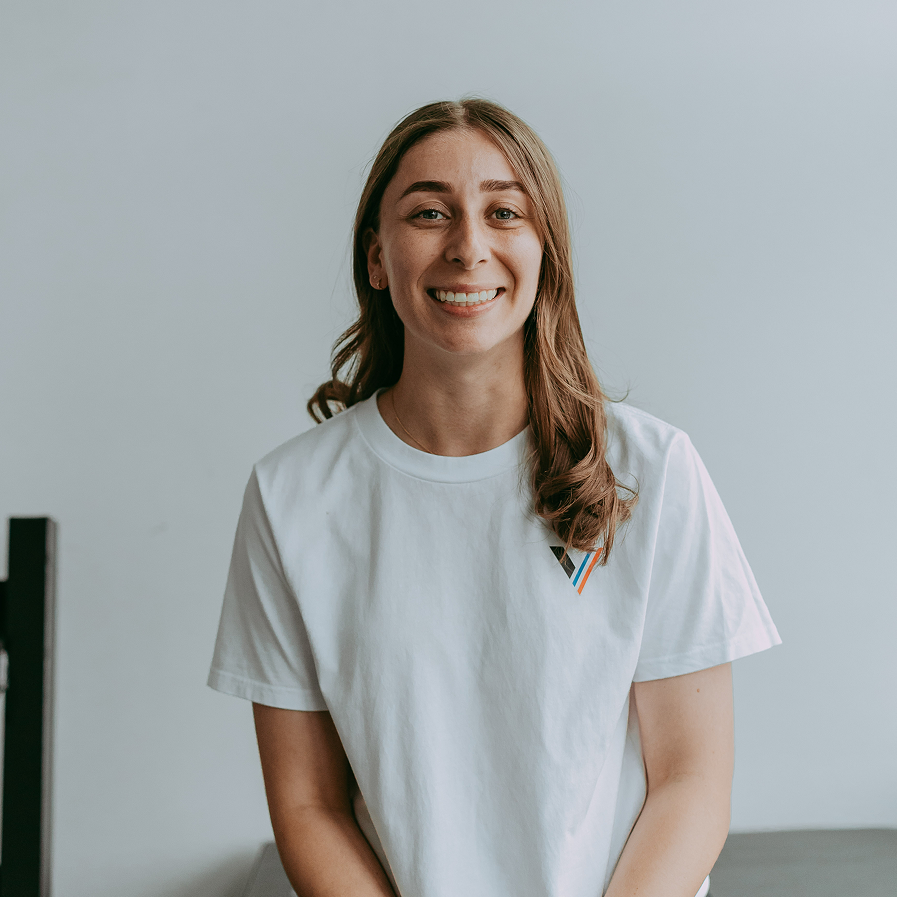
Rawan Haydar
Physiotherapist
Passionate about personalised care that supports recovery and long-term wellbeing.
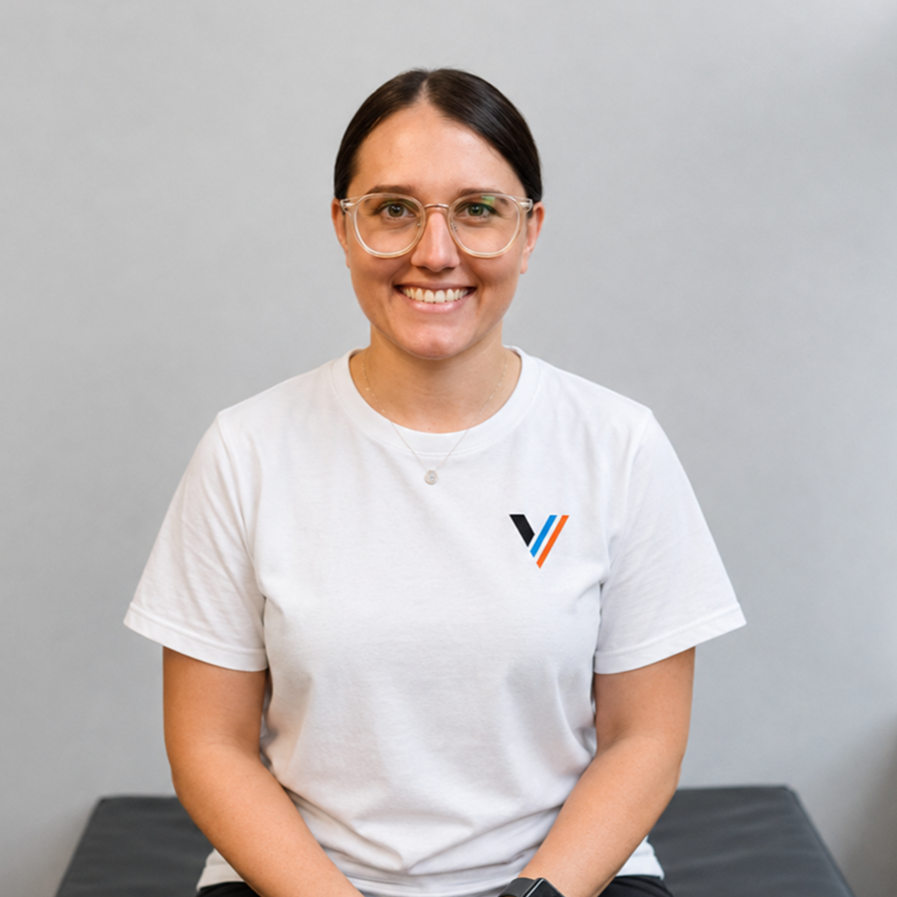
Jess Larder
Physiotherapist
Passionate about rehabilitation, movement, and helping people achieve their goals.
Getting Here
We treat tennis elbow at both our Norwest and Dural clinics.
Norwest
301/10 Century Circuit NORWEST NSW 2153
Inside Norwest Central Building Complex - 8 - 12 Century Circuit
Entry doors next to Zaatar and Zucchero Cafe
Operating Hours
Mon - Fri 8am - 6pm
Sat 8am - 12pm
Sun CLOSED

Ready to Sort Your Elbow Out?
We treat tennis elbow for patients from across The Hills, including Dural, Round Corner, Kenthurst, Glenhaven, Castle Hill, Kellyville, Baulkham Hills, Cherrybrook and Bella Vista, at our Norwest and Dural clinics, and in Canberra at Giralang. Book online or call and we will get you assessed.