
Shoulder Pain Treatment in Norwest & Dural
The Short Version
Most shoulder pain is rotator cuff related, and most of it responds to a progressive loading program rather than surgery. Tendon adapts slowly, so this is a months long project, and stopping early is the most common reason people think loading did not work. Night pain is characteristic and it is usually the first thing to improve, which makes it a useful thing to track. Sudden significant weakness after an injury is the presentation that changes the plan and warrants a surgical opinion early.
The Shoulder We See Most
Someone who cannot sleep on that side, cannot reach behind their back, and started getting pain reaching overhead a few months ago with no injury. They have often been told they have a tear or impingement and have stopped using the arm. The shoulder has quietly got weaker since. The other one is a lifter or overhead athlete with front of shoulder pain that only shows up at a certain load or angle.
Do You Need a Scan?
Often not. Rotator cuff changes, including partial tears, appear frequently on the scans of people with no shoulder symptoms at all, and the rate rises steadily with age. Finding one does not establish that it is causing your pain. We would image or refer if there is significant weakness suggesting a large or full thickness tear, if the shoulder followed a specific traumatic injury, if surgery is being seriously considered, or if you have loaded properly for several months with no change. If you already have a scan, bring it. We will read it against what your shoulder is actually doing.
Whether you need imaging is something we work out with you at the appointment, based on what the shoulder’s doing and what we find when we examine you. Your practitioner will talk you through whether a scan would change the plan, and organise one if it would.
When You Should Be Seen Urgently
A few shoulder presentations do not respond to the usual loading plan and need looking at quickly. If any of these fit, tell us when you book.
Go to emergency if the shoulder is obviously out of joint after an injury, if it looks deformed, or if you can’t move the arm at all after a fall. Also if the shoulder is hot, swollen and red with a fever.
Also go to emergency, and don’t sit on it, if you’ve got shoulder or upper arm pain that came on with chest tightness, breathlessness, sweating or nausea. Left shoulder pain can occasionally be cardiac, and that’s not a call to make at home.
Book in with us soon, and tell us when you book, if you had a specific injury and now can’t lift the arm out to the side or hold it up against resistance, because sudden real weakness after trauma changes the plan and often means a surgical opinion early. If you’ve got pins and needles or numbness down the arm. If there’s night pain that’s getting worse rather than better. Or if there’s unexplained weight loss, fever, or a history of cancer.
If none of that sounds like your shoulder, you’re in the right place, and the rest of this page is what we’d do about it.

What's Actually Driving Your Shoulder Pain
Most shoulder pain does not need surgery. These are the six patterns behind almost every case we see.
Load exceeded capacity
Avoiding overhead work reduced tolerance
The shoulder blade is not participating
Sleeping position keeps it irritated
Loading that stopped at week five
Overhead volume that outran the tendon
How We Actually Treat It
The single most useful thing to know about shoulder pain is that loading it works, and that most people stop before it’s had a chance to.
Tendon adapts slowly. That’s not a motivational line, it’s the timeframe. Meaningful change takes eight to twelve weeks of consistent progressive work, and the first four of those often feel like nothing much is happening. Most people who tell us loading didn’t work for them stopped somewhere in week five.
Hands on work, dry needling and taping have a place early, mostly to get you sleeping and to give you enough range to start loading. They get you to the point where you can start loading, and the loading is what changes it.
On surgery. People with longstanding shoulder pain who were already on a surgical waiting list were given a proper loading program, and two thirds of them took themselves off the list. That is worth knowing before you book an operation, because a loading program is a legitimate first line rather than something you do while you wait.
That doesn’t mean nobody needs shoulder surgery. A large traumatic tear in someone who’s suddenly lost strength is a different conversation, and we’ll say so. It means that for the common painful shoulder without a major tear, a proper loading program is a legitimate first line rather than something you try while you wait.
What Recovery Actually Looks Like
Tendons run on a slow clock, and that’s the single most useful thing to know before you start.
Weeks one to three. Settling it down and getting loading started. Not resting it. A cuff that gets rested gets weaker and more sensitive. Night pain and pain lying on that side are usually the first things to shift, and they’re a decent early signal.
Weeks three to twelve. The actual work. Progressive loading of the cuff and the shoulder blade, two or three times a week, getting genuinely heavy. This is where it stops feeling like treatment and starts feeling like training, and it’s where most of the change happens. Expect it to be boring.
Months three to six. Building back to what you actually need the shoulder for: overhead pressing, throwing, carrying kids, sleeping on that side. Tendons keep adapting well past the point the pain stops, and stopping at that point is the most common reason a cuff flares again a year later.
Some soreness during and after loading is expected and it isn’t damage. The rule we use is that the shoulder should be back to its baseline within about a day. Worse for three or four days means the jump was too big, not that loading was the wrong idea.
What Else It Could Be
Shoulder pain tells us where it hurts. What’s actually going on changes the plan a lot.
Rotator cuff related pain. The most common by a distance. Pain reaching overhead or behind, night pain on that side, no single injury. Responds well to loading.
Frozen shoulder. The giveaway is that someone else can’t move your arm through range either, especially rotating it outwards. Different condition, different timeline, and worth naming early.
A significant tear. Usually a specific injury followed by real weakness rather than just pain. Assessed early.
Referred from the neck. Shoulder and upper arm pain with pins and needles, or pain that changes with neck position. Worth checking upstream.
Worth knowing about scans. Rotator cuff changes, including partial tears, turn up regularly on the scans of people with no shoulder symptoms at all, and the rate climbs with every decade. Finding one doesn’t establish that it’s your problem.
Related pages: Rotator Cuff Tendinopathy, Frozen Shoulder, Neck Pain.
Frequently Asked Questions
How long will my shoulder take to get better? Longer than you'd like. Tendon adapts slowly, and eight to twelve weeks of consistent loading is a realistic timeframe for meaningful change. Night pain usually improves first, often within two or three weeks, which is a useful sign you're on the right track.
I've been told I have a tear. Do I need surgery? Often not. Partial cuff tears turn up on scans of people with no shoulder pain at all, and plenty of people with them do very well with loading. Surgery matters for large traumatic tears, especially where there's sudden real weakness. That's a conversation worth having properly rather than assuming a scan decides it.
Should I stop training or lifting? Almost never completely. What usually changes is the range, the load, or the specific movement that provokes it. Stopping altogether tends to make the shoulder weaker and more sensitive, which is the opposite of what you want.
Why does it hurt so much at night? Night pain is characteristic of a shoulder that's irritated, and it's about position and pressure more than damage. It's also usually the first thing to improve, which makes it worth tracking.
Is it impingement? That word has fallen out of favour for good reason. It described a mechanical idea about what's happening that turned out not to hold up. What matters more is what the shoulder can tolerate and how you build that back.
Do I need a referral to book? No. You can book directly with any of our chiropractors or physiotherapists. If you've got a GP care plan or you're claiming through a fund, bring the paperwork and we'll work with it.
Who Treats This at Strive
Shoulder pain is treated at both clinics by our chiropractors and physiotherapists. Who you see depends on your presentation and what you are training for, and we will move you internally if someone on the team is a better fit.

Tammy Ong
Women’s Health Physiotherapist
Rehabilitation Pilates Instructor
Tammy helps women and active individuals recover from injury, improve movement, and return to the activities they love.

Warren Zhou
Chiropractor, competitive powerlifter, and trail runner who treats athletes from the gym floor to the platform to the start line.

Tegan Webster
Chiropractor
Providing evidence-based care to help patients achieve their health goals.
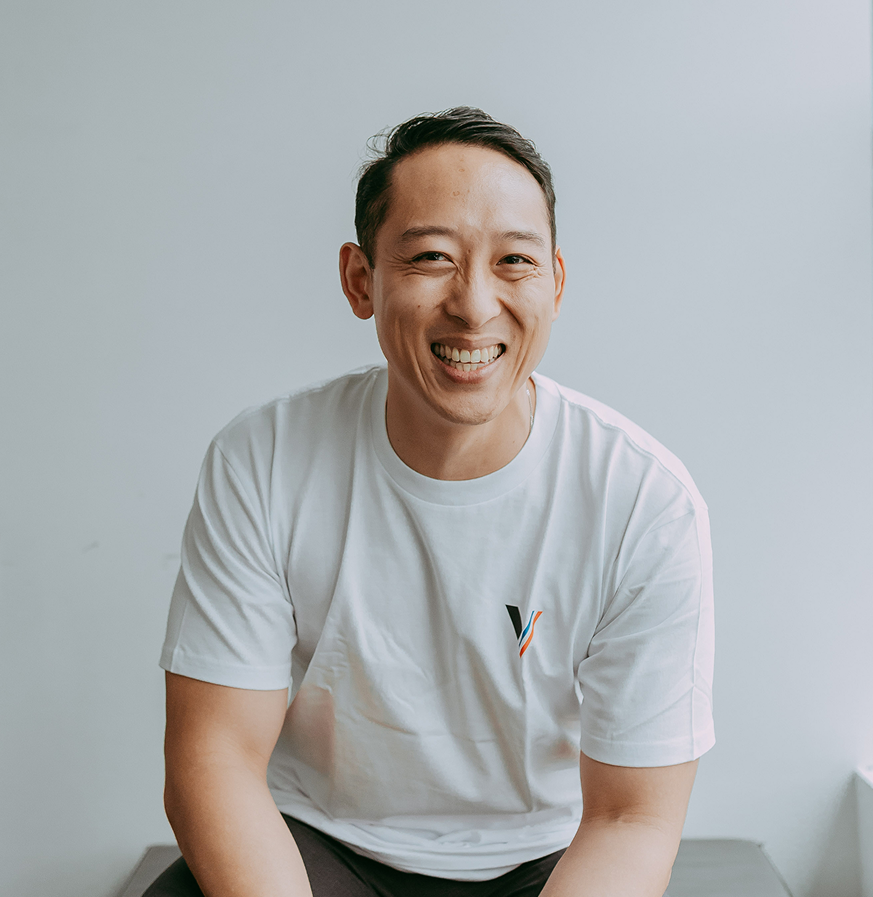
Richard Kan
Sports Chiropractor
Strength and Conditioning Coach
Helping athletes and active individuals recover, perform, and stay injury-free.

Rawan Haydar
Physiotherapist
Passionate about personalised care that supports recovery and long-term wellbeing.
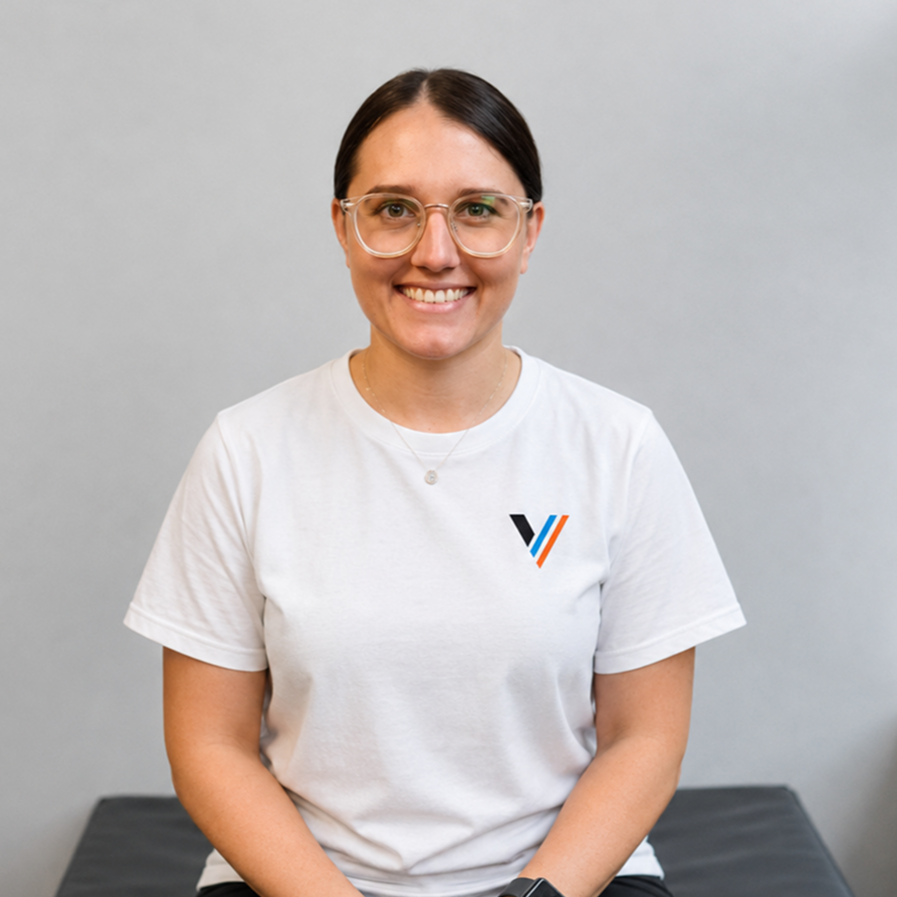
Jess Larder
Physiotherapist
Passionate about rehabilitation, movement, and helping people achieve their goals.
Getting Here
We treat shoulder pain at both our Norwest and Dural clinics.
Norwest
301/10 Century Circuit NORWEST NSW 2153
Inside Norwest Central Building Complex - 8 - 12 Century Circuit
Entry doors next to Zaatar and Zucchero Cafe
Operating Hours
Mon - Fri 8am - 6pm
Sat 8am - 12pm
Sun CLOSED

Ready to Sort Your Shoulder Out?
We see patients with shoulder pain from across The Hills, including Dural, Round Corner, Kenthurst, Glenhaven, Castle Hill, Kellyville, Baulkham Hills, Cherrybrook and Bella Vista, at our Norwest and Dural clinics, and in Canberra at Giralang. Book online or call and we will get you assessed.