
Rotator Cuff Surgical Repair Rehab in Norwest & Dural
The Short Version
A rotator cuff repair is a longer road than most people are told at the outset. The first six weeks are about protecting the repair while the tendon heals to bone. Range comes back next. Strength comes last and takes the longest, and it is the phase most people never properly finish because formal physio has usually stopped by then. Expect nine to twelve months before the shoulder feels like yours again. Anyone describing this as a three month recovery is describing the healing, not the result.
Where You Are Right Now
Cuff repair rehab is longer and slower than most people are told before the operation, and the sling period is the part people find hardest.
Most people find us either straight after surgery with a protocol in hand and no idea what it means practically, or three to six months out with a shoulder that moves but is still weak and can’t do overhead work.
Both are normal places to be. The second one in particular is not a sign the repair has failed.
When to Ring Someone Today
Ring your surgeon’s rooms or go to emergency the same day if you have a fever, the wounds are red, hot, opening or leaking, or the shoulder becomes suddenly and dramatically more painful.
Go to emergency if you develop numbness or weakness in the hand, if the arm becomes swollen and painful, or if you get chest pain or shortness of breath.
Ring your surgeon if you’ve had a fall onto the arm or a sudden pull, and especially if you felt something give and the arm now feels weaker. A repair can fail mechanically and early is better than late for knowing.
Ring us if your passive range is going backwards, if the pain is getting worse rather than better after the first few weeks, or if you’re not clear what your protocol allows.
Pain at night for the first several weeks, an arm that feels useless in the sling, and stiffness at the start of each session are all normal.

What Actually Determines Your Result
The surgery is one morning. These are the six things over the following year that decide how good the outcome is.
Working inside your surgeon’s protocol
What happens after month four
Getting range back without risking the repair
Where the strength work actually starts
Underestimating the strengthening months
Cheating the sling phase

What Your Surgeon’s Restrictions Actually Mean
Your surgeon’s protocol governs everything here and varies significantly by tear size and repair type. Bring it in.
“Sling at all times except for exercises.” Usually four to six weeks. The point is to protect the repair while the tendon starts attaching to bone, which is a biological process on a fixed timeline that has nothing to do with how good you feel. This is the period people cheat on and it’s the worst one to cheat on.
“Passive range of motion only.” Someone else, or your other arm, moves the shoulder. Your cuff muscles do nothing. The distinction that trips people up is that lifting your own arm, even a little, even if it doesn’t hurt, is active movement.
“No active external rotation.” Rotating the arm outward under your own power loads exactly the tendon that was repaired. Usually restricted longer than other movements.
“Start strengthening at 12 weeks.” Not a switch that flips. Tendon-to-bone healing continues for months, and the strength work builds slowly from there.
On the timeline generally. Six weeks in a sling, six weeks getting range back, then three or more months of strengthening. Overhead work and sport realistically sit at six to nine months.
On early movement, which you may have been given or not. Some surgeons start passive movement in the first week, some wait. The evidence is reassuring both ways: early movement does not appear to increase the risk of the repair failing, and it also produces only about one to three degrees of extra range at the end, which is not something you’d notice. So either protocol is defensible and your surgeon’s preference is a reasonable basis for choosing.
How Rehab Actually Works
Three phases, and the first one isn’t negotiable because it’s governed by biology rather than by how you feel.
Protect. Roughly six weeks. Sling, passive movement only, and the repair is left alone to attach to bone. Nothing you do in this phase makes it heal faster, and a fair few things can set it back. This is the part people are tempted to cheat on and the one that matters most.
Restore. Roughly weeks six to twelve. Range comes back, first assisted then active. The shoulder feels weak and unreliable through this stretch, which is expected rather than a sign anything is wrong.
Rebuild. Month three onward, and this is the long part. Progressive strengthening of the cuff and the shoulder blade, built up over months. Most people underestimate this phase, because by month three the shoulder moves and doesn’t hurt much, and it’s still nowhere near strong.
The point of a guided program is that each phase only opens when the shoulder can handle it, and that the load goes up in planned steps rather than in jumps. That’s what gets you from a shoulder that has healed to a shoulder you can actually use overhead.
What Recovery Actually Looks Like
Weeks zero to six. Sling, passive movement, sleep is the main problem. Many people sleep in a recliner. Night pain in this phase is normal and it does end.
Weeks six to twelve. Range returns, sling comes off, and you start using the arm for light daily tasks. The shoulder feels weak and untrustworthy, which is expected.
Months three to six. Strengthening. Slow, repetitive, and the part that decides your final result. Progress is measured in what you can lift, not in how it feels.
Months six to nine. Overhead work, throwing, heavier lifting, and return to sport or physical work.
Work. Most people get back to their previous level of work, and the average is a bit over eight months. Physically demanding jobs take longer, so it is worth planning for that rather than being surprised by it.
Sport. In overhead athletes, around three in four get back to playing, at an average of six to seven months, and around six in ten get back to their pre-injury level. The spread is wide, so treat that as a range rather than a promise.
What the Evidence Says About Getting a Good Result
Two things matter most, and neither is under your control: how big the tear was, and how old you are. Bigger tears and older tendons are simply slower and less predictable, and no rehab program changes that.
What you do control is the part that actually decides your result. Protecting the repair properly during the sling phase, and then doing the strengthening for the months it takes rather than stopping when the shoulder stops hurting.
One thing worth knowing if you’re anxious about the repair holding. Even where a repair doesn’t heal perfectly on a scan, people generally still end up substantially better than they started, and at a year they often look much the same as people whose repair stayed fully intact. The scan is not the outcome. A shoulder that does what you need it to do is the outcome, and that is built with strength work.
Related pages: Rotator Cuff Tendinopathy, Shoulder Pain.
Frequently Asked Questions
How long is the whole thing? Six weeks in a sling, six weeks getting range back, then three or more months of strengthening. Overhead work and sport realistically sit at six to nine months. In the studies, return to previous work averaged just over eight months.
Why can't I use my arm at all for six weeks? Because tendon attaching back to bone runs on a biological timeline that has nothing to do with how good you feel. This is the phase where people cheat and it's the worst one to cheat on. Lifting your own arm even slightly counts as active movement, which is the distinction that catches people out.
What are the chances it retears? It depends mostly on tear size and age. Around 12.5 percent for small and medium tears, around 37 percent for large and massive ones, and being over 60 roughly doubles the odds.
If it retears, has the surgery failed? No. In a meta-analysis of 861 patients, people with retears still improved significantly on pain and function from where they started, and at one year they were essentially indistinguishable from people whose repairs held. A longer follow-up at nearly seven years did find the retear group doing somewhat worse, but still much better than before surgery.
Should I be doing more movement earlier? Follow your surgeon's protocol. The reassuring news is that the evidence doesn't show early movement increasing retear risk, and it also doesn't show it delivering meaningfully more range at the end, about one to three degrees. So either approach is defensible and there's no reason to push against your protocol.
Do I need a referral to book? No. You can book directly with any of our chiropractors or physiotherapists. Bring your surgeon's protocol and we'll work inside it.
Who Treats This at Strive
Rotator cuff repair rehab at Strive is run by our physiotherapists and chiropractors with strength and conditioning built in rather than bolted on. We work within your surgeon’s protocol, and we do the strength work that decides your final result.
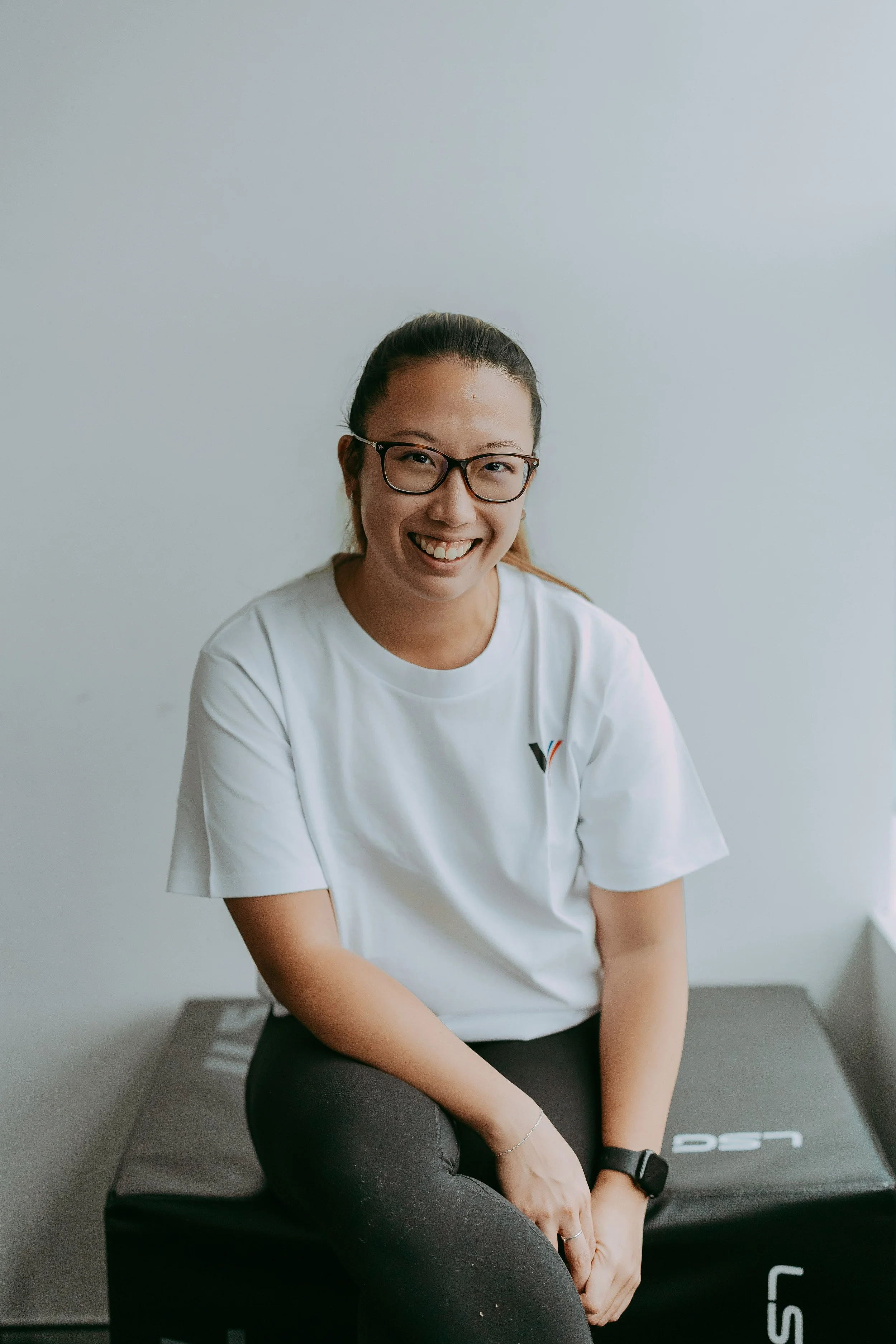
Tammy Ong
Women’s Health Physiotherapist
Rehabilitation Pilates Instructor
Tammy helps women and active individuals recover from injury, improve movement, and return to the activities they love.
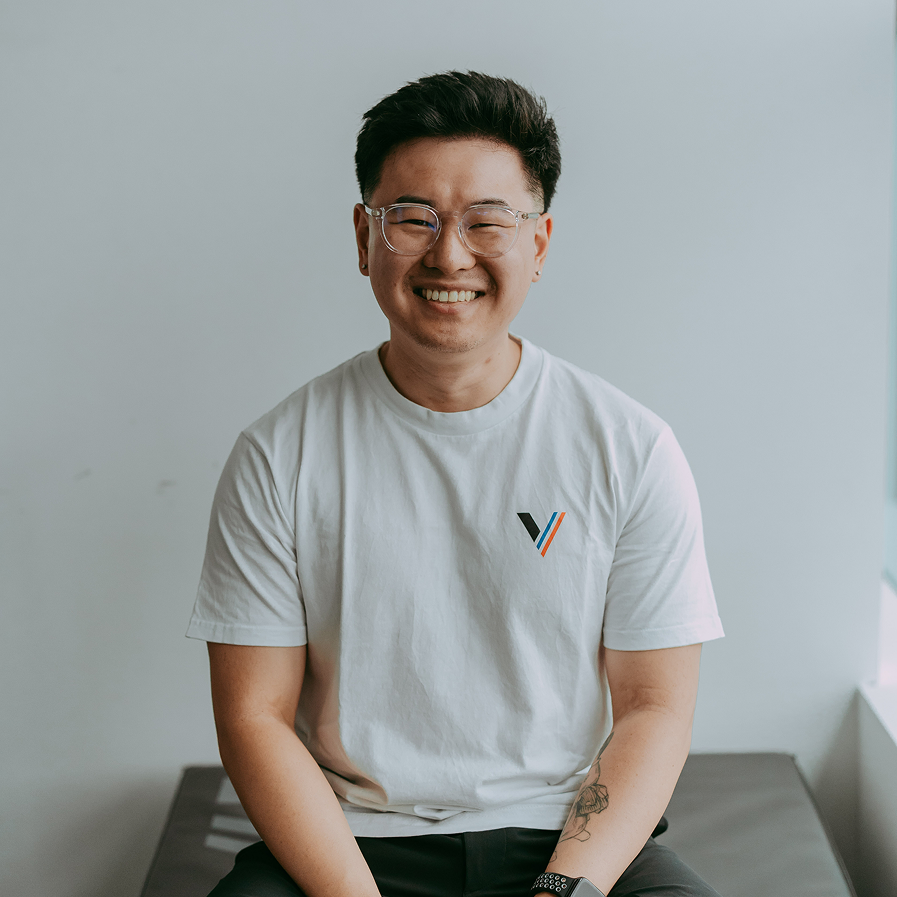
Warren Zhou
Chiropractor, competitive powerlifter, and trail runner who treats athletes from the gym floor to the platform to the start line.
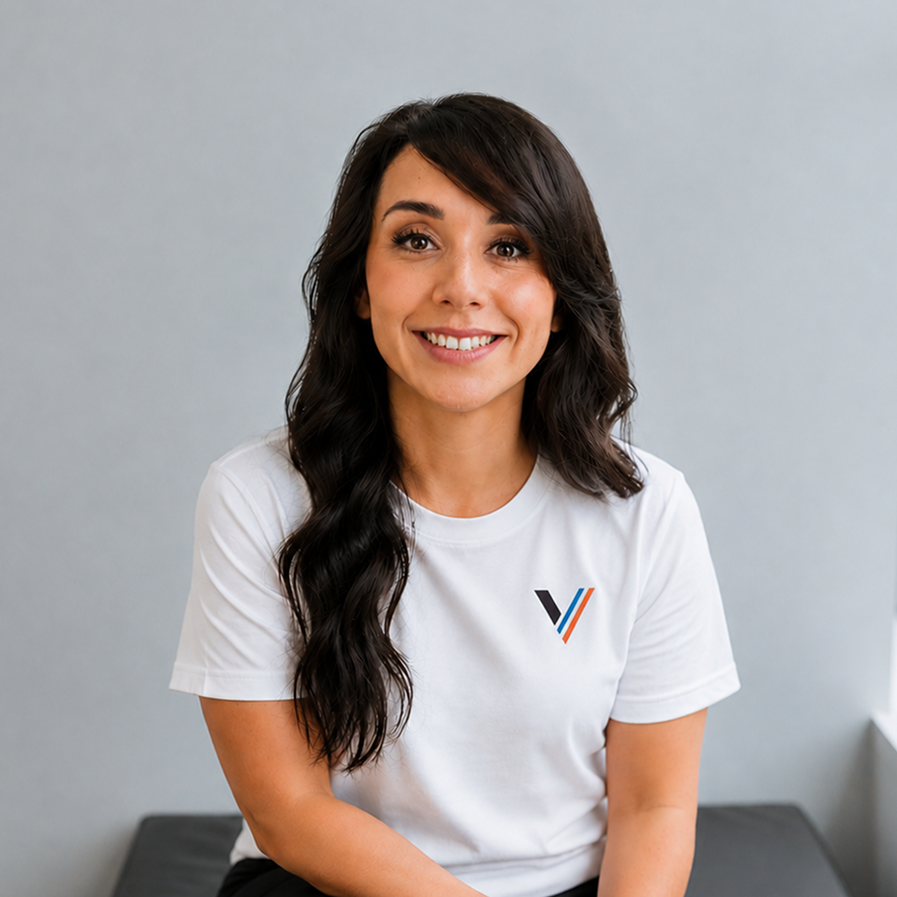
Tegan Webster
Chiropractor
Providing evidence-based care to help patients achieve their health goals.
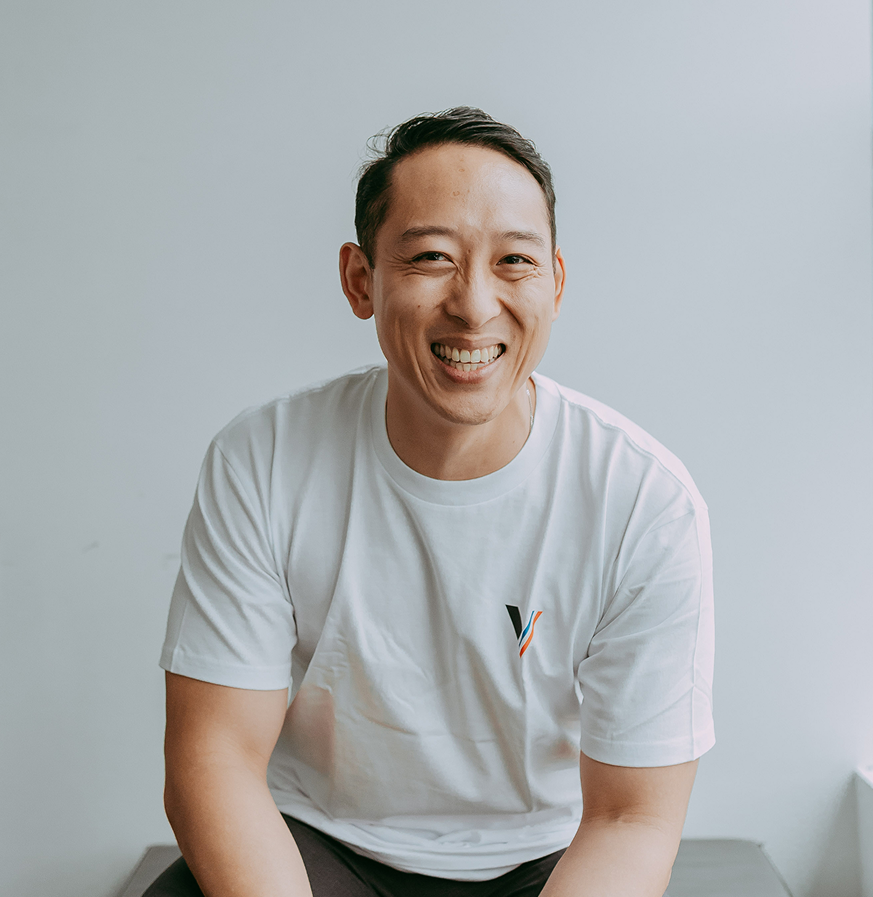
Richard Kan
Sports Chiropractor
Strength and Conditioning Coach
Helping athletes and active individuals recover, perform, and stay injury-free.
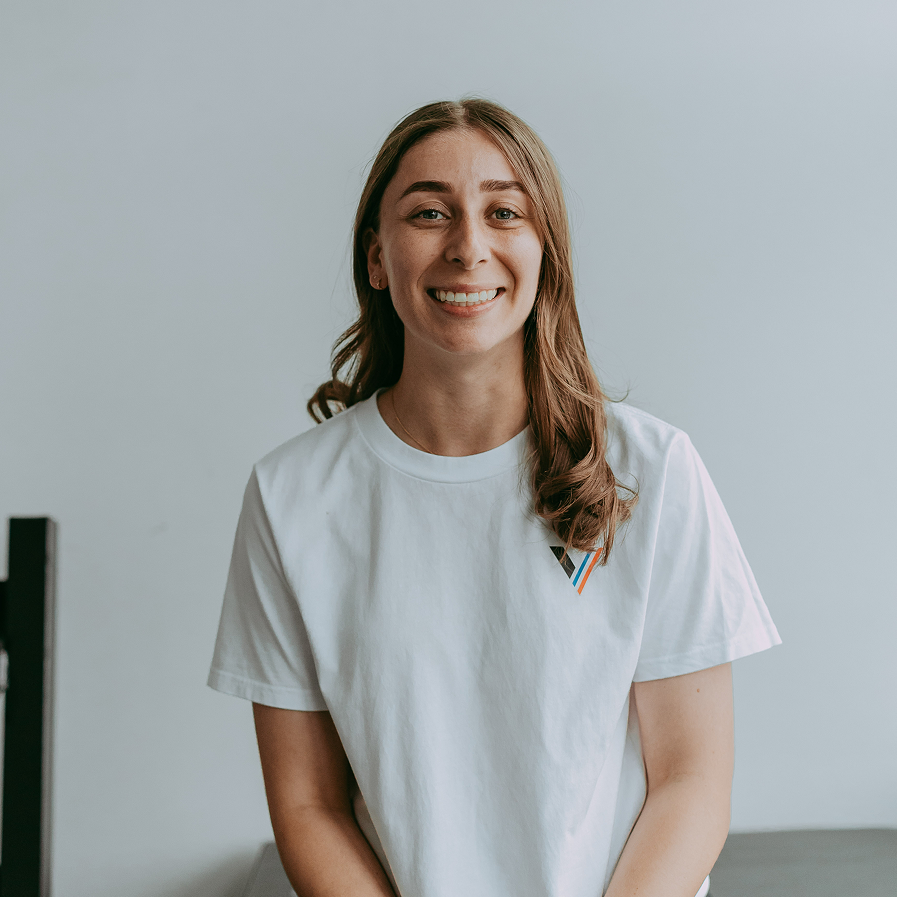
Rawan Haydar
Physiotherapist
Passionate about personalised care that supports recovery and long-term wellbeing.
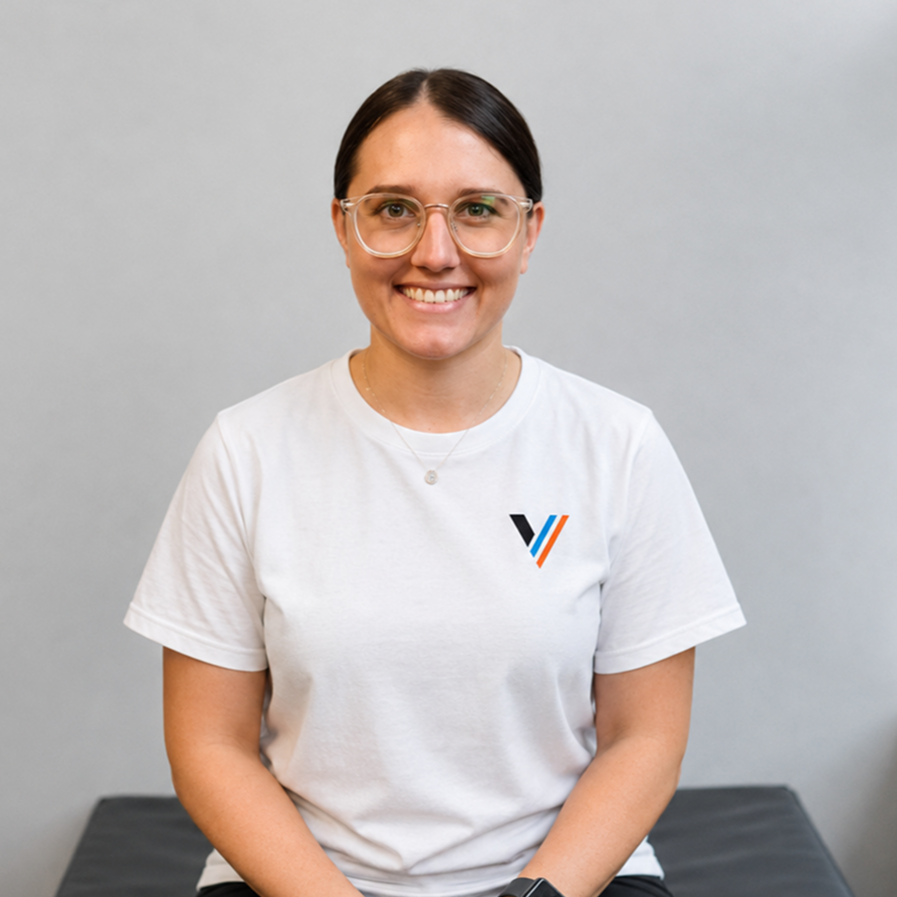
Jess Larder
Physiotherapist
Passionate about rehabilitation, movement, and helping people achieve their goals.
Getting Here
We treat rotator cuff repair patients at both our Norwest and Dural clinics.
Norwest
301/10 Century Circuit NORWEST NSW 2153
Inside Norwest Central Building Complex - 8 - 12 Century Circuit
Entry doors next to Zaatar and Zucchero Cafe
Operating Hours
Mon - Fri 8am - 6pm
Sat 8am - 12pm
Sun CLOSED
Ready to Get Your Shoulder Working Properly?
We see rotator cuff repair patients from across The Hills, including Dural, Round Corner, Kenthurst, Glenhaven, Castle Hill, Kellyville, Baulkham Hills, Cherrybrook and Bella Vista, at our Norwest and Dural clinics, and in Canberra at Giralang.