
ACL Rehab in Norwest & Dural
The Short Version
An ACL reconstruction replaces the ligament. It does not rebuild the leg, and the leg is what determines whether you get back to sport safely. Return to running is usually around three to four months, subject to strength and swelling. Return to sport is nine to twelve months, and going back earlier than nine months is where re injury risk climbs. The gap between feeling ready and testing ready is where second injuries happen. Not everyone needs surgery, and structured rehab is a legitimate first option for some knees.
The ACL Patient We See Most
Someone eight or nine months post op who has been discharged from their surgeon, has been doing their own gym program for a few months, feels fine walking and jogging, and has no idea whether the knee is ready to cut and land. They usually have a quad that is still noticeably smaller on the operated side and have never had it measured. That gap is the thing that predicts a second injury, and it is invisible unless someone tests for it. The second most common is someone two weeks post injury who has been told they need a reconstruction and is not sure whether that is true.
Do You Need a Scan?
You will usually already have one, and after a reconstruction further imaging rarely changes the plan. What matters more is objective testing: the strength of the operated leg against the other one, hop testing, and how the knee responds to load. That is the information that should gate your return to sport, and it is the part most often skipped. We would image or send you back to your surgeon if the knee locks or will not straighten, if it gives way repeatedly, if there is significant new swelling, or if you have had a new injury.
If you have had a twisting injury with rapid swelling and have not yet been assessed, imaging is usually part of working out what has happened and we will organise it. If you have already been diagnosed, further scans rarely change the rehab. Your practitioner will talk you through whether one would change anything.
When You Should Be Seen Urgently
If you’ve done your ACL, or think you have, a few things need sorting before rehab starts.
Go to emergency after the injury if you can’t put weight through the leg at all, if the knee looks deformed, if the foot is cold or numb, or if the calf becomes painful and swollen, which can be a clot rather than the knee.
Book in with us promptly, and tell us when you book, if the knee is locked and won’t straighten, which suggests a meniscal fragment caught in the joint and usually needs assessing surgically. If the knee swelled within an hour of a twisting injury, which usually means bleeding inside the joint. Or if the knee is giving way repeatedly rather than just feeling unreliable.
If you’ve already had surgery and you develop fever, increasing redness or discharge around the wounds, or calf pain and swelling, that’s a same-day medical review rather than a physio appointment.

What Actually Determines Your Outcome
The timeline matters far less than what you can actually do at the end of it. These six things decide the result.
Quadriceps strength symmetry
What you are going back to
Time since surgery
Hop and landing quality
Training only the operated leg
Returning to pivoting sport before nine months
How We Actually Treat It
Three things about ACL rehab are worth knowing before you start, and none of them are what people expect.
First: surgery isn’t automatic. For active adults, starting with rehab and having surgery only if you turn out to need it produces the same result two and five years later as operating straight away, and around half the people who take that path never need the operation. That doesn’t apply to professional athletes, and it doesn’t mean surgery is a mistake. It means rehab-first is a legitimate path rather than a compromise.
Second: getting back to sport is harder than the operation makes it sound. Most people get back to some sport. Fewer get back to the level they were at, and fewer again to competitive sport. The operation restores the ligament. It doesn’t restore the athlete, and the gap between those two things is what rehab is for.
Third, and this is the one that changes decisions: coming back too early is measurably worse. Athletes who return to cutting and pivoting sport before nine months re-injure at around twice the rate of those who wait, and every month of delay up to nine months lowers the risk further. We will have that argument with you at month seven rather than after a second injury.
The other thing worth knowing is where the second injury usually happens. It’s the other knee, more often than the reconstructed one. That tells you the problem is rarely the graft. It is how the athlete moves, on both sides.
So the plan is: full range and a quiet knee first, then months of strength work with the two legs measured against each other rather than guessed at, then a staged return to running, cutting and pivoting with criteria you have to pass. Not a date.
What Recovery Actually Looks Like
Before surgery, if you’re having it. Getting the knee straight, the swelling down and the quads switched on before the operation matters more than most people are told. Going into surgery with a stiff, weak knee makes the first three months harder.
Weeks zero to six. Range of motion, swelling control, and waking the quadriceps up. Full straightening is non-negotiable and it’s the thing that causes problems later if it’s missed.
Months two to five. Strength. Unglamorous, repetitive and the part that decides everything. We measure both legs rather than going on feel, because the gap is almost always bigger than it feels.
Months five to nine. Running, then change of direction, then sport-specific work. You move to the next stage when you pass the criteria for it.
Nine months and beyond. Return to cutting and pivoting sport, once you’ve passed the criteria. The evidence for waiting is good enough that we’ll say so plainly, and we’d rather have that argument with you at month seven than have it after a second injury.
Ongoing. Both knees keep getting the strength and landing work, because the other knee is the one statistically more likely to go next.
What Else It Could Be
A knee that twists, swells and feels unreliable isn’t always an ACL.
ACL rupture. A twisting or landing mechanism, often an audible pop, swelling within an hour, and a knee that feels like it might give way. Frequently comes with a meniscal tear.
Meniscal tear on its own. Twisting injury, slower swelling over hours rather than within the hour, catching or locking rather than giving way.
MCL injury. Pain on the inside of the knee after a blow from the outside or a twist. Often settles well without surgery.
Patellar dislocation. The kneecap goes out and comes back, often with rapid swelling. Frequently mistaken for an ACL injury because the mechanism and the swelling look similar.
Multi-ligament injury. Higher energy, a knee that feels grossly unstable. Assessed urgently.
If you’ve had a knee swell within an hour of a twisting injury, the odds of something structural are high enough that it’s worth being seen rather than waited out.
Related pages: Knee Pain, Meniscus Tear, Hamstring Strain.
Frequently Asked Questions
Do I definitely need surgery? Not necessarily. In the only high-quality randomised trial, active adults aged 18 to 35 did just as well at two and five years whether they had early reconstruction or started with rehab and had surgery only if they needed it. About half the rehab-first group never had surgery. That's a real option for a lot of people, though it isn't the answer for everyone, particularly if you play a lot of pivoting sport.
How long until I'm back playing? Nine months minimum for cutting and pivoting sport, and that's a floor rather than a target. In one cohort, athletes returning before nine months had a re-injury rate of 39.5 percent against 19.4 percent for those who waited. Every month of delay up to nine months roughly halved the risk.
Will my knee be the same? Honestly, for a lot of people, not exactly. Across 7,556 patients, 81 percent got back to some sport but only 65 percent to their pre-injury level and 55 percent to competitive sport. Good rehab moves you up that list. Pretending the operation alone does it does not.
Which knee is more likely to go next? The other one. In a study of adolescent athletes followed for two years after returning to sport, 20.5 percent injured the opposite knee and 9 percent injured the reconstructed one. That's why we train both legs rather than only the operated side.
Why does the rehab take so long if the knee feels fine at four months? Because it feeling fine and it being ready are different things, and the gap between them is where re-injuries happen. Strength between the two legs is usually still meaningfully different at a point when the knee feels normal to walk and jog on.
Do I need a referral to book? No. You can book directly with any of our chiropractors or physiotherapists. If you're under a surgeon, bring their protocol and we'll work within it.
Who Treats This at Strive
ACL rehab at Strive is run by our physiotherapists and chiropractors working together, with strength and conditioning built in rather than bolted on. The late stage of your program is written around the sport you are going back to.
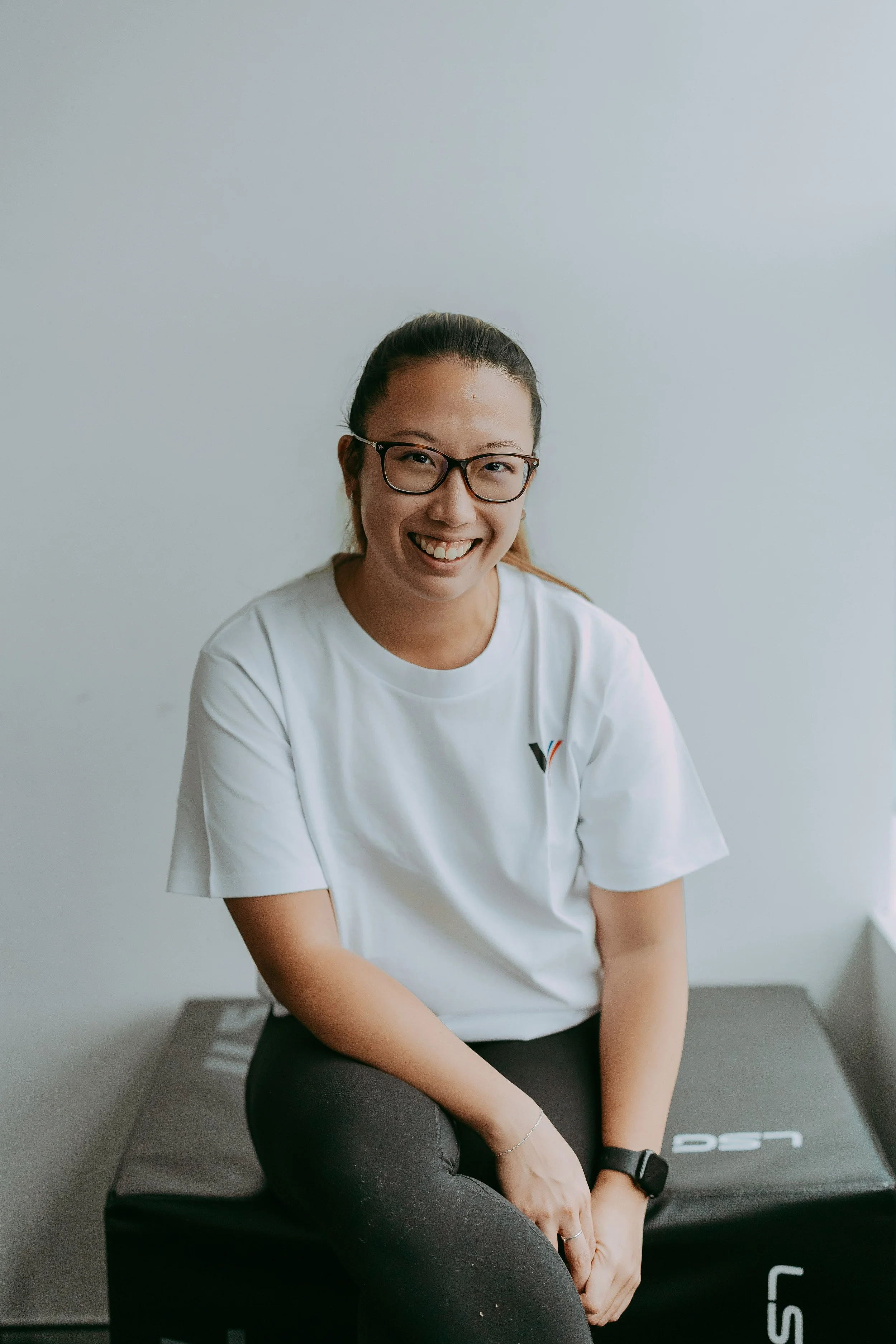
Tammy Ong
Women’s Health Physiotherapist
Rehabilitation Pilates Instructor
Tammy helps women and active individuals recover from injury, improve movement, and return to the activities they love.
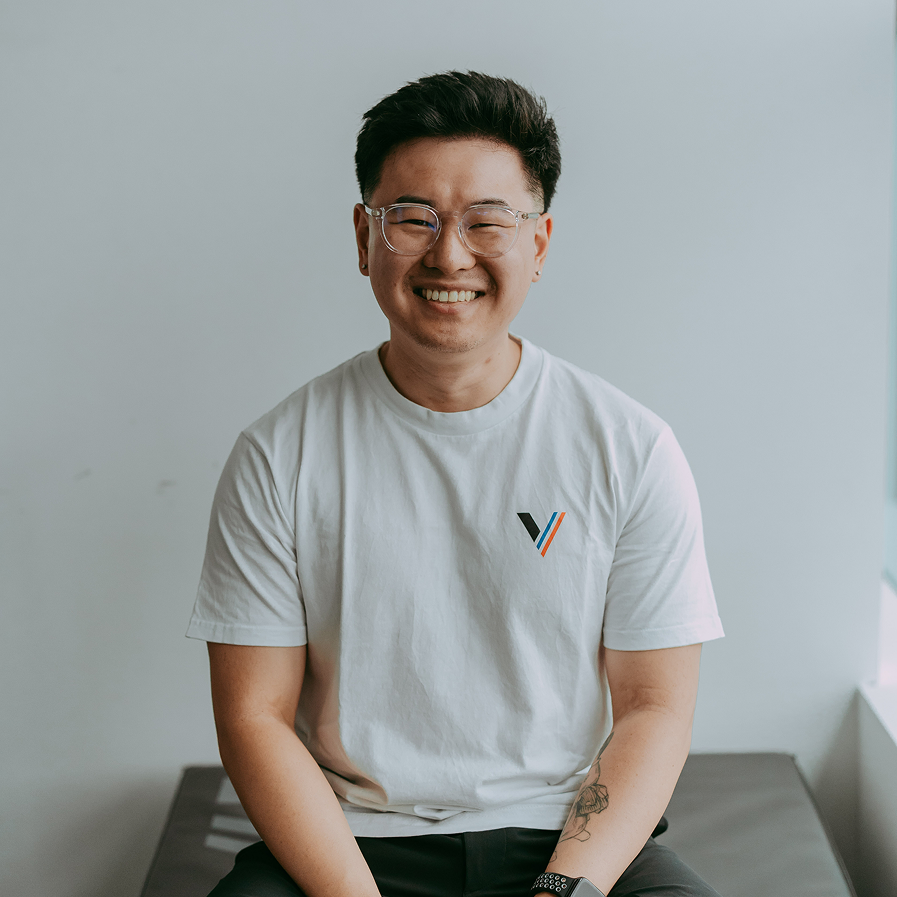
Warren Zhou
Chiropractor, competitive powerlifter, and trail runner who treats athletes from the gym floor to the platform to the start line.
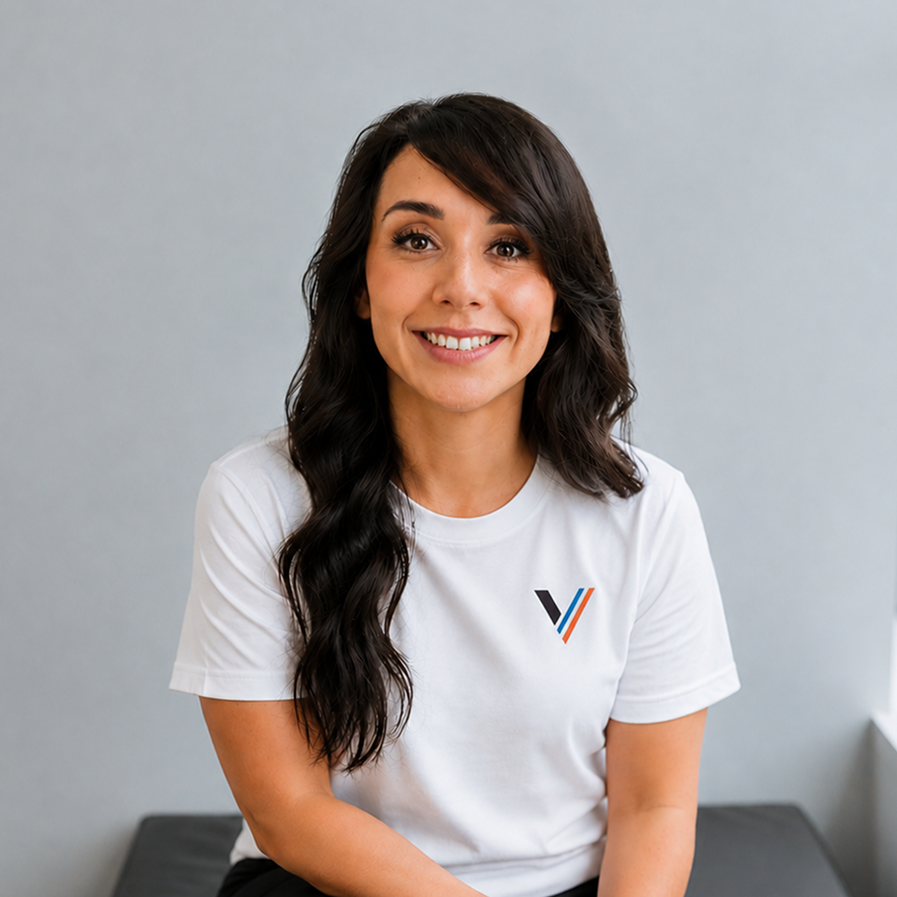
Tegan Webster
Chiropractor
Providing evidence-based care to help patients achieve their health goals.
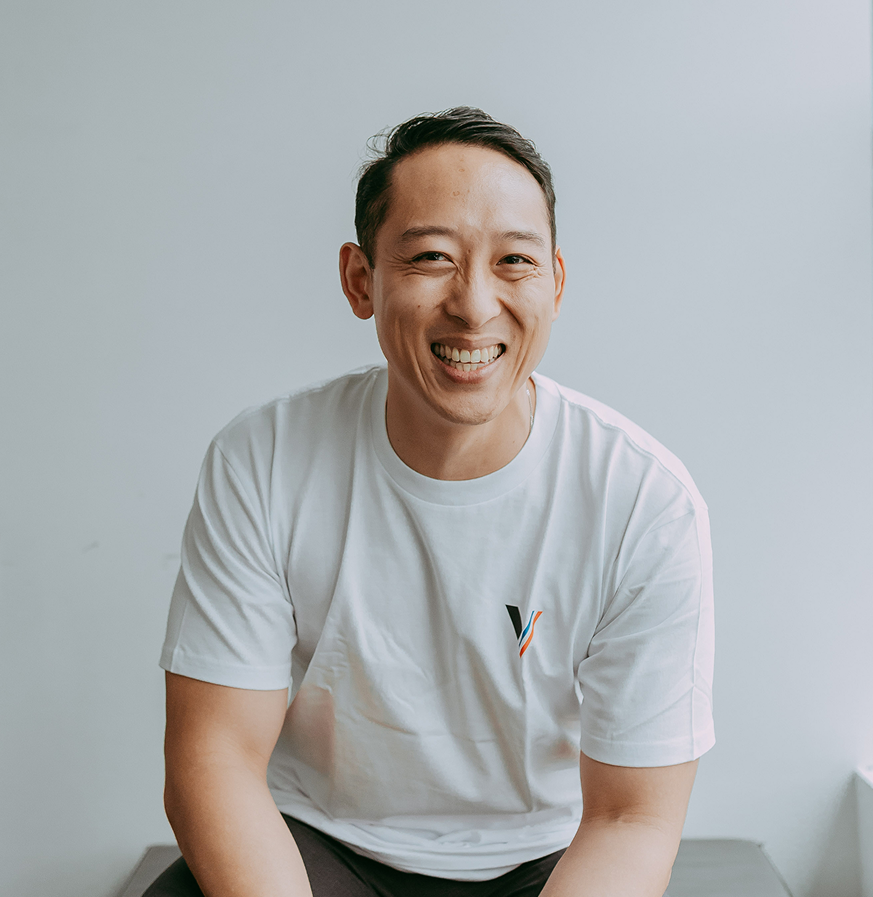
Richard Kan
Sports Chiropractor
Strength and Conditioning Coach
Helping athletes and active individuals recover, perform, and stay injury-free.
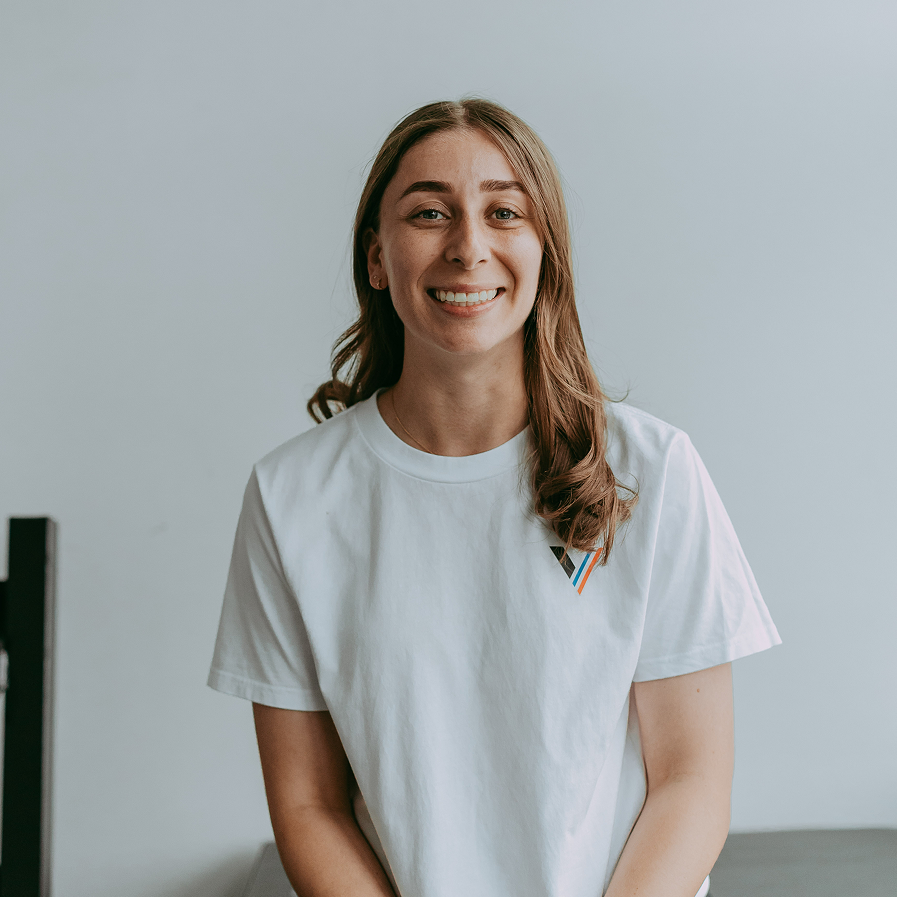
Rawan Haydar
Physiotherapist
Passionate about personalised care that supports recovery and long-term wellbeing.
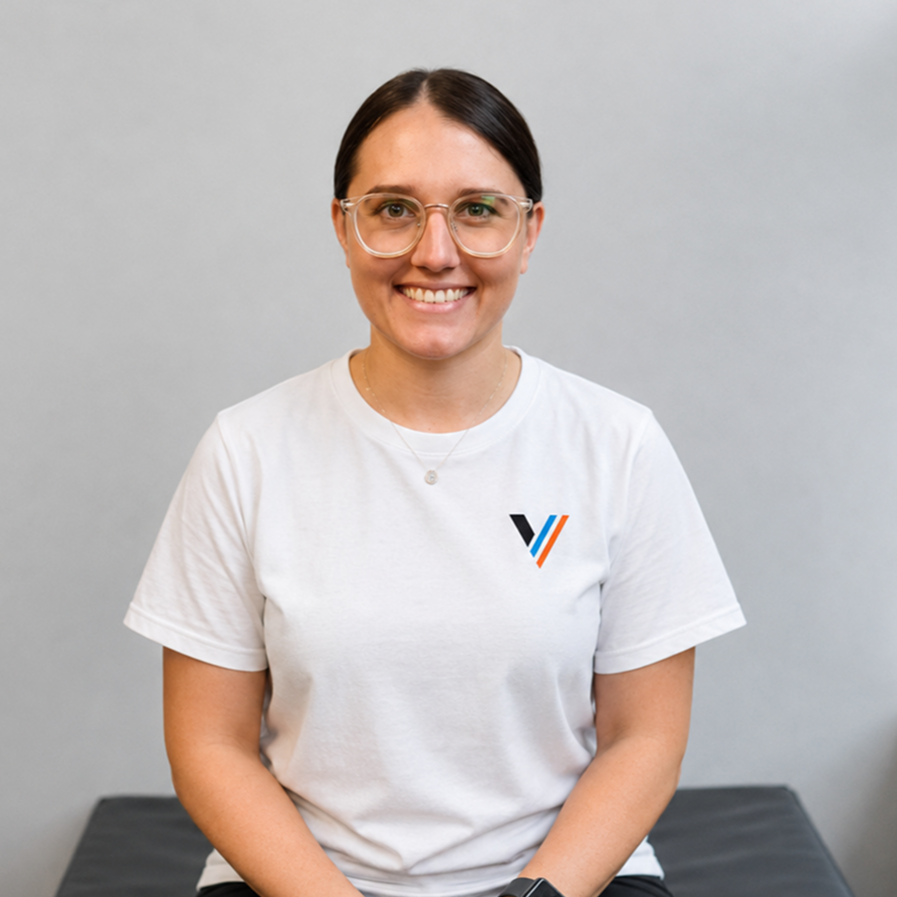
Jess Larder
Physiotherapist
Passionate about rehabilitation, movement, and helping people achieve their goals.
Getting Here
We run ACL rehab and return to sport testing at both our Norwest and Dural clinics.
Norwest
301/10 Century Circuit NORWEST NSW 2153
Inside Norwest Central Building Complex - 8 - 12 Century Circuit
Entry doors next to Zaatar and Zucchero Cafe
Operating Hours
Mon - Fri 8am - 6pm
Sat 8am - 12pm
Sun CLOSED
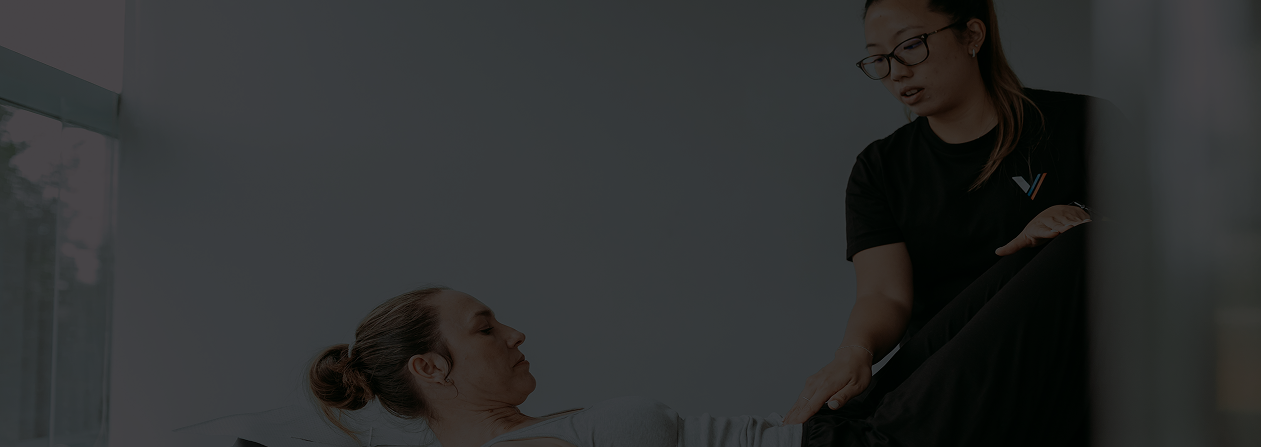
Ready to Get Back to Your Sport?
We see ACL patients from across The Hills, including Dural, Round Corner, Kenthurst, Glenhaven, Castle Hill, Kellyville, Baulkham Hills, Cherrybrook and Bella Vista, at our Norwest and Dural clinics, and in Canberra at Giralang. Book online or call and we will get you assessed.